Wildflowers bloom across the greater Telluride region from late spring into fall, with different species appearing as the snow retreats up the slopes of the San Juan Mountains in southwestern Colorado. These photographs of wild mountain flowers were taken across the region over more than a decade, from dry oak scrub in the foothills to alpine meadows above treeline.
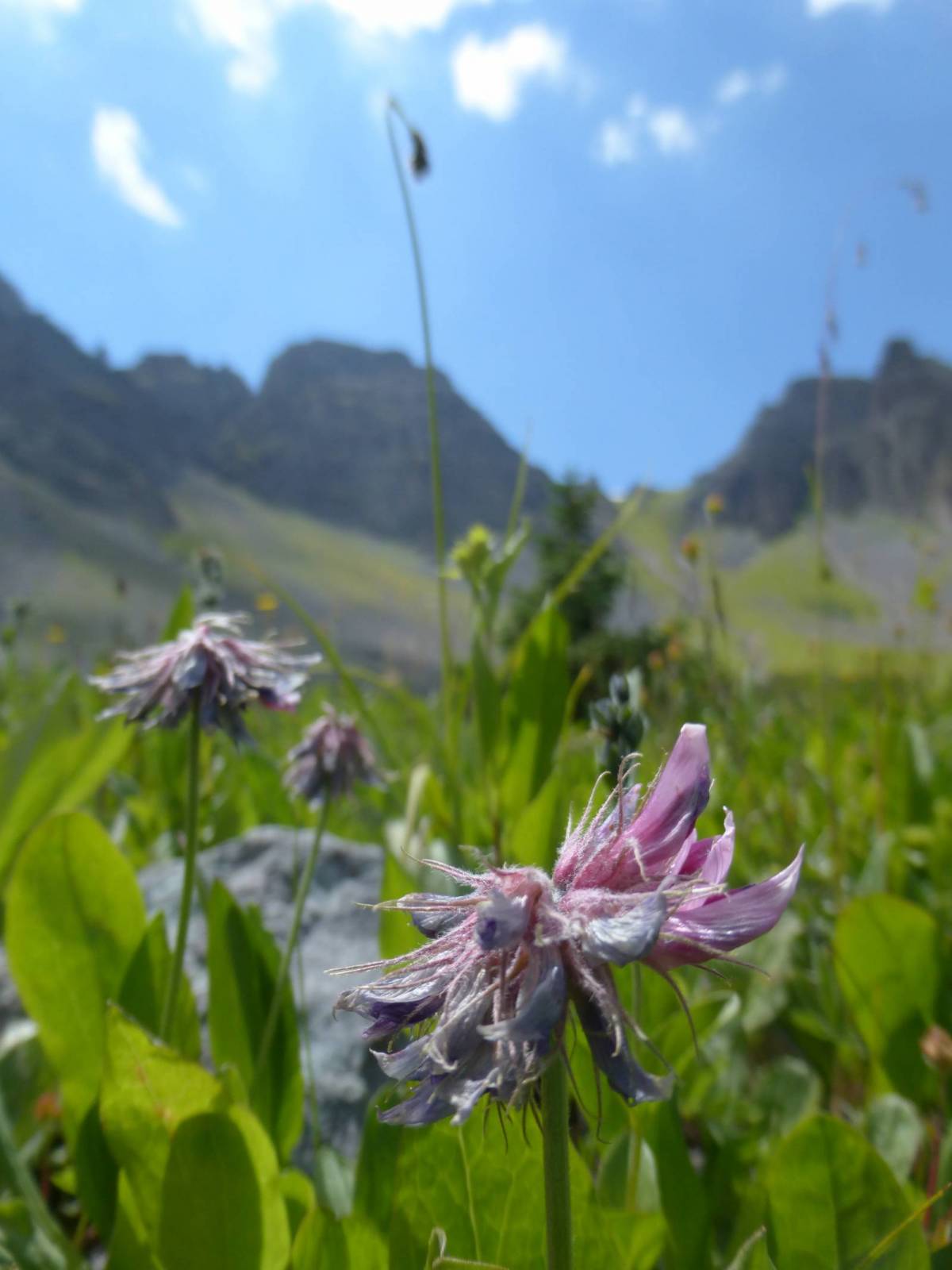
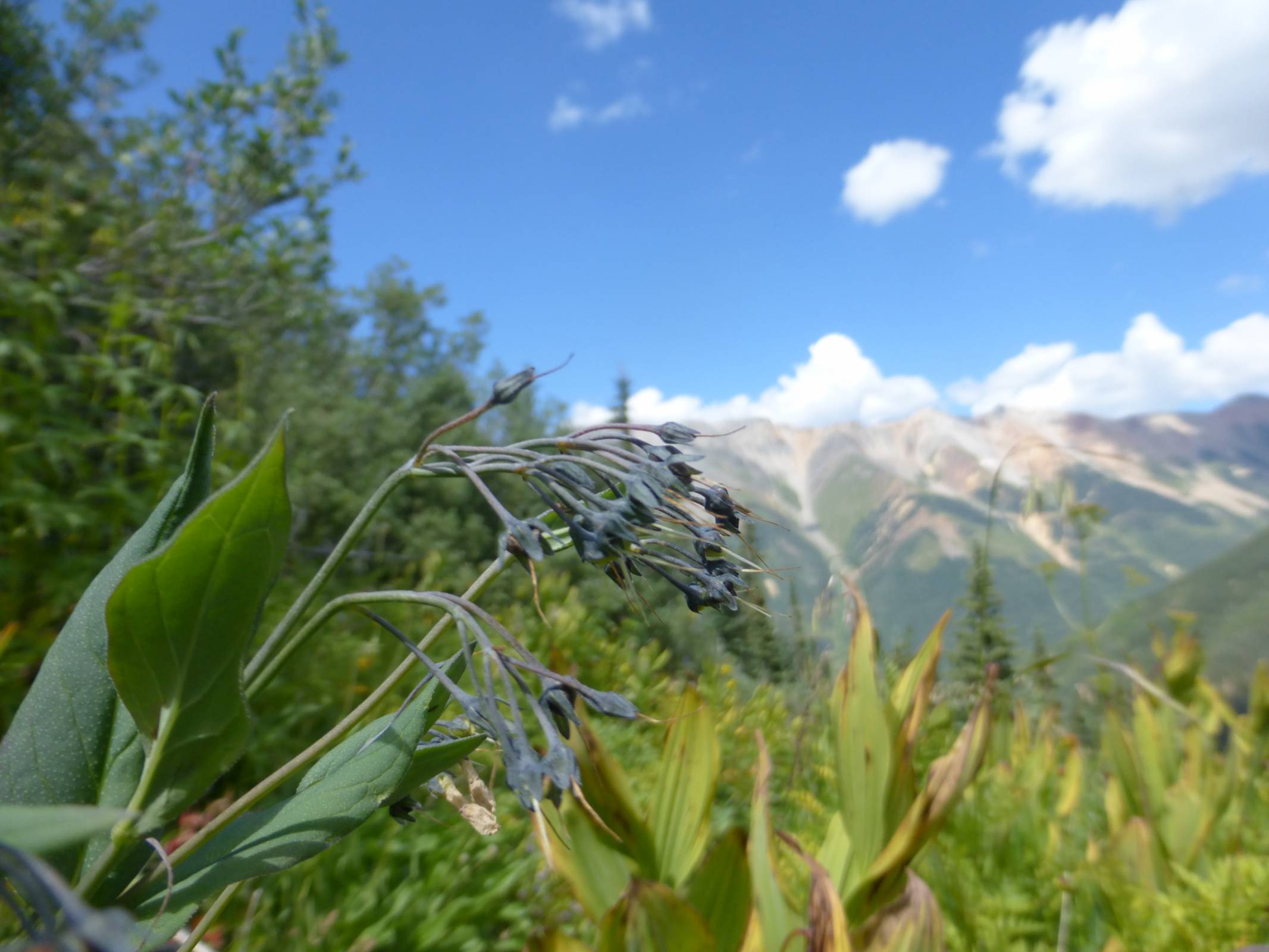
Wildflowers of the Greater Telluride Region
The gallery includes wildflowers photographed across the greater Telluride region and San Juan Mountains since 2009, at a range of elevations and habitats. Some species appear more than once, including photographs from different locations or at different stages of the growing season.
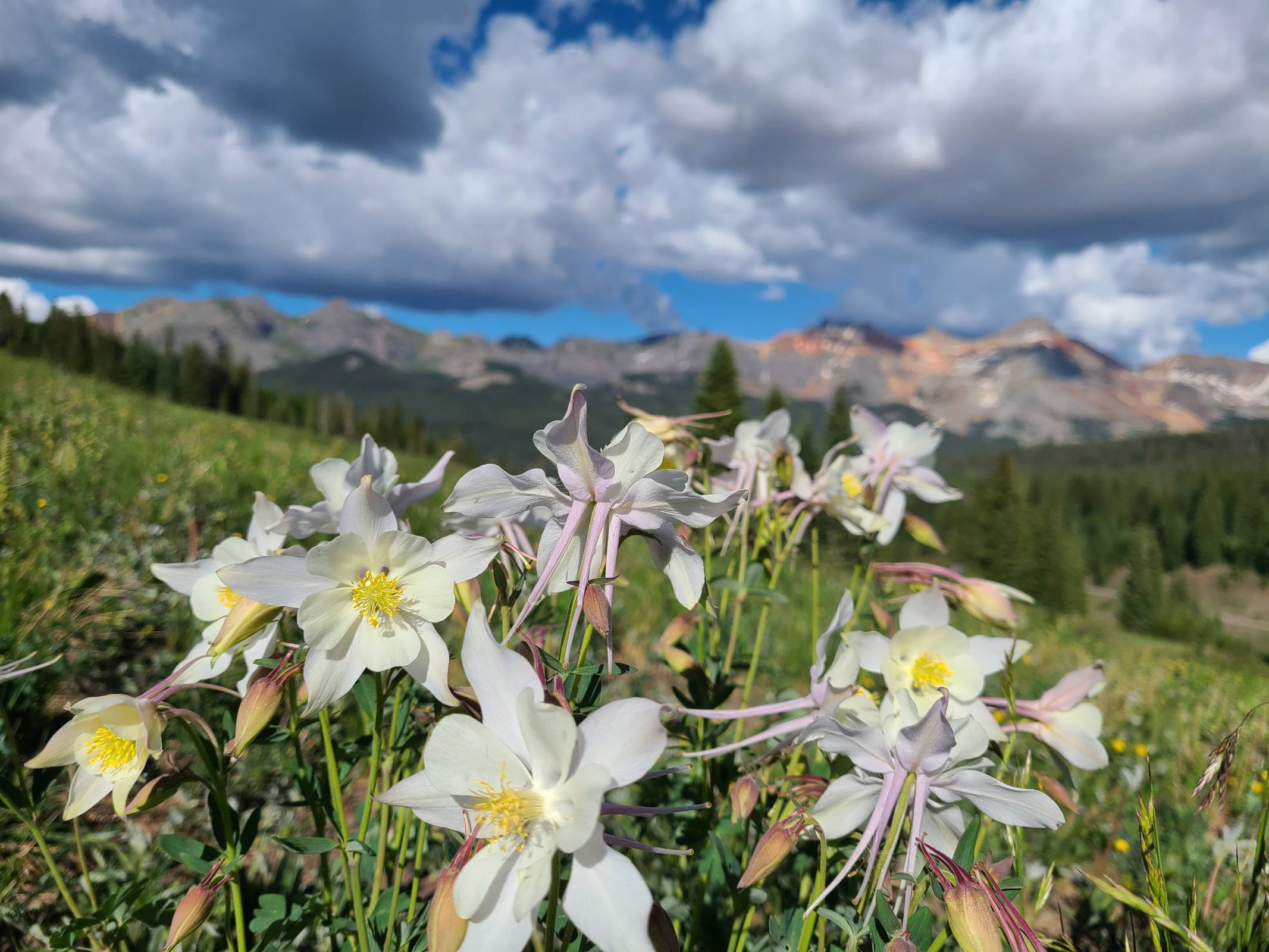
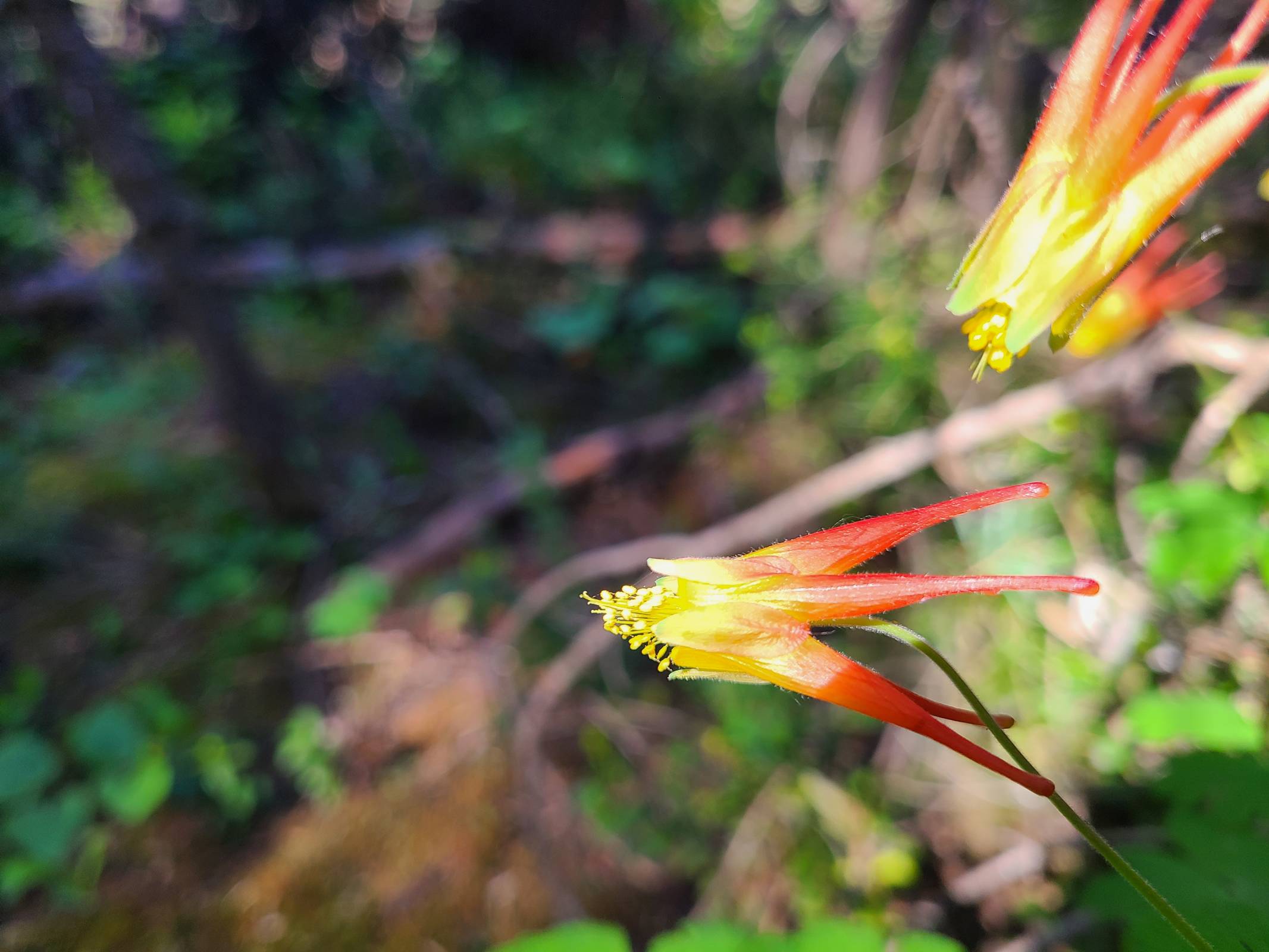
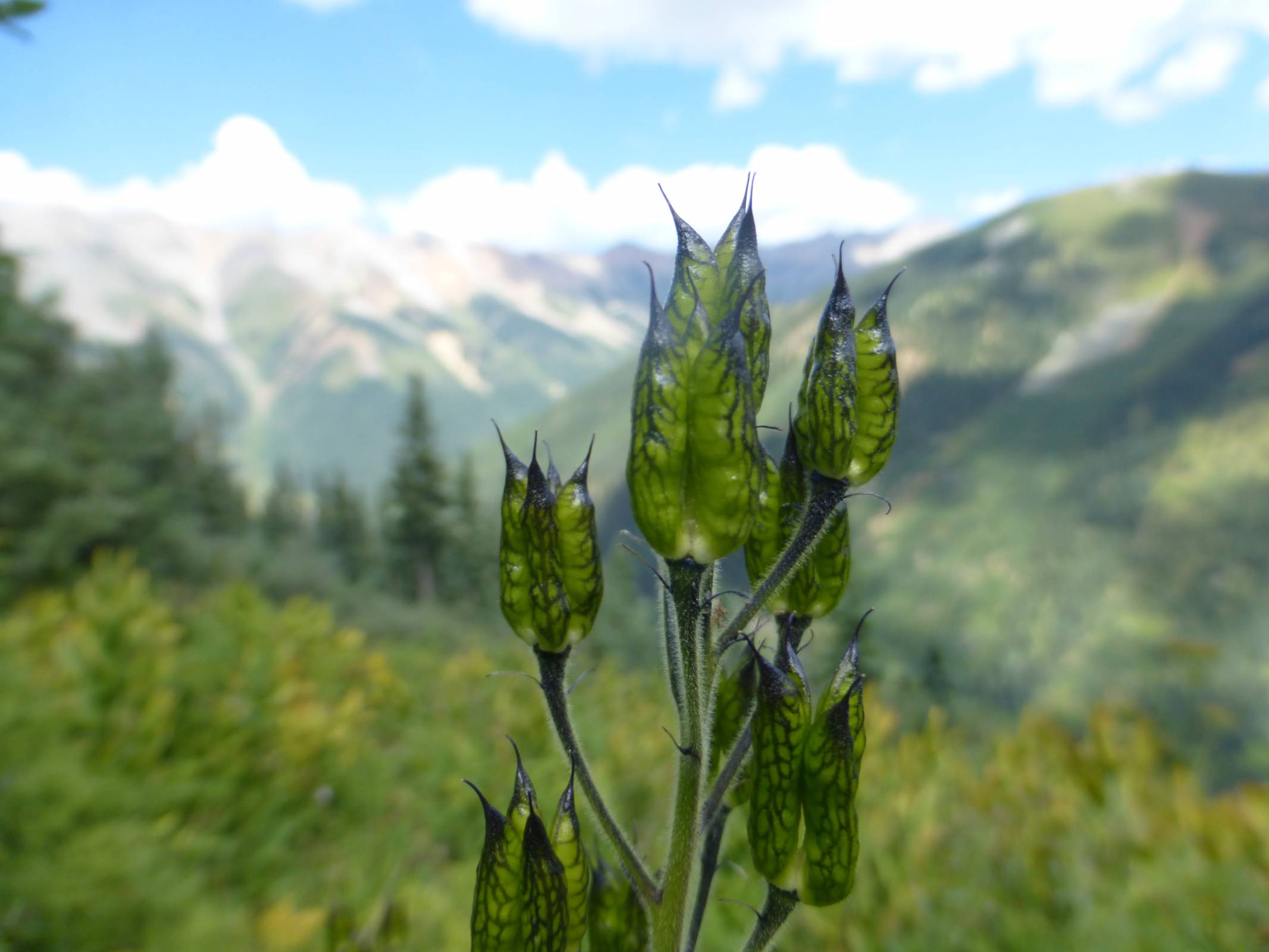
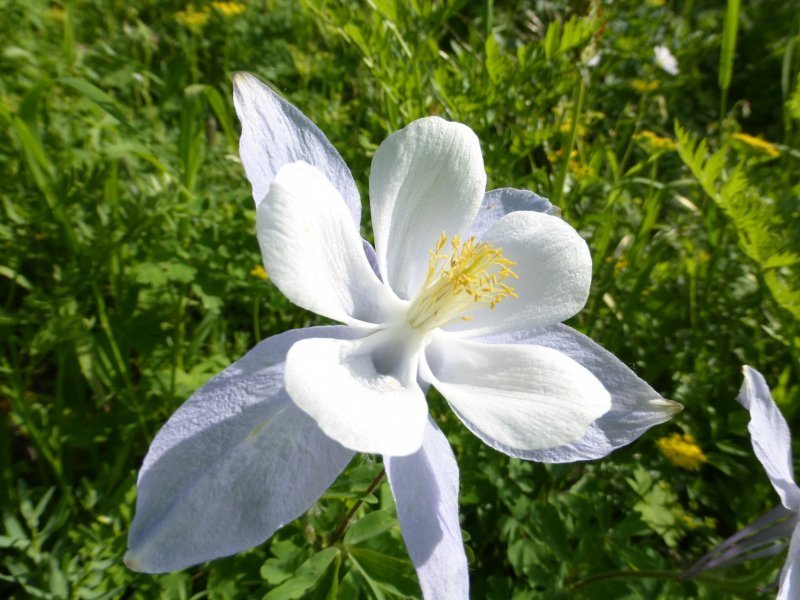
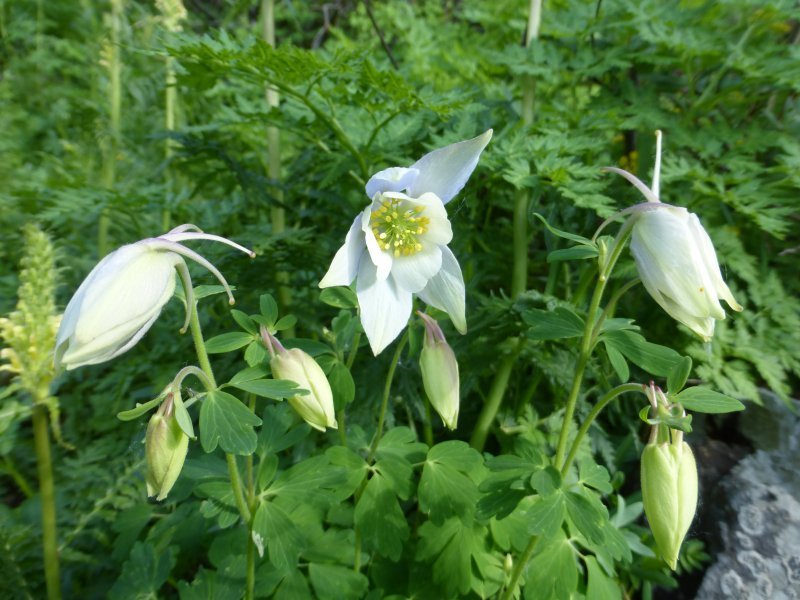
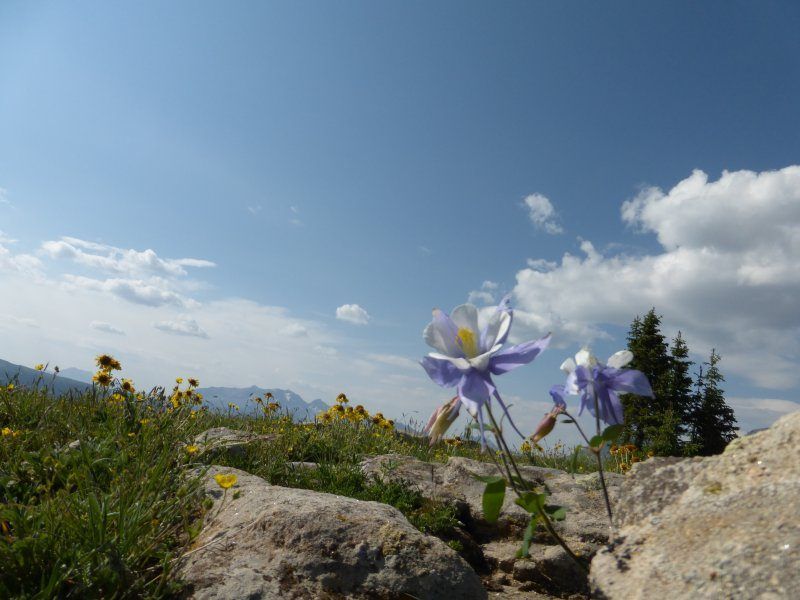
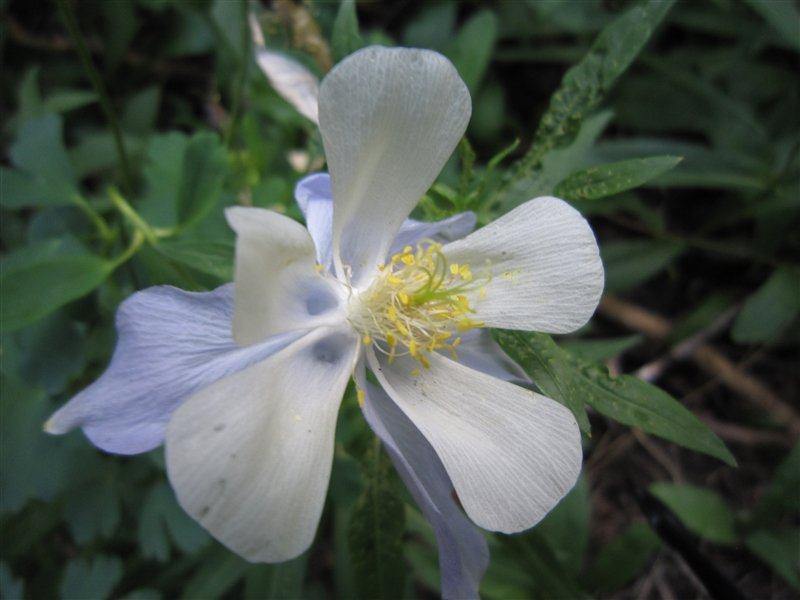
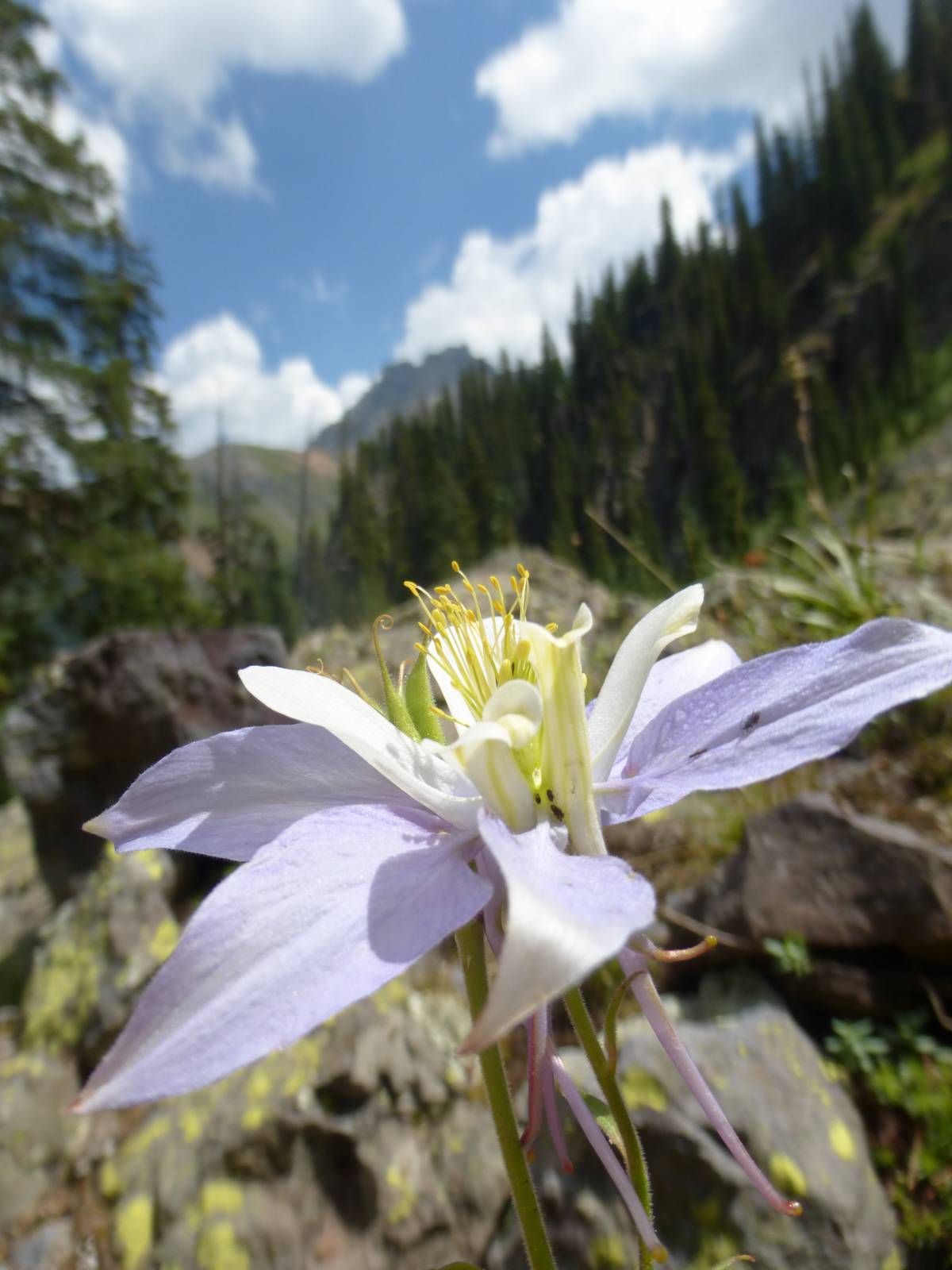
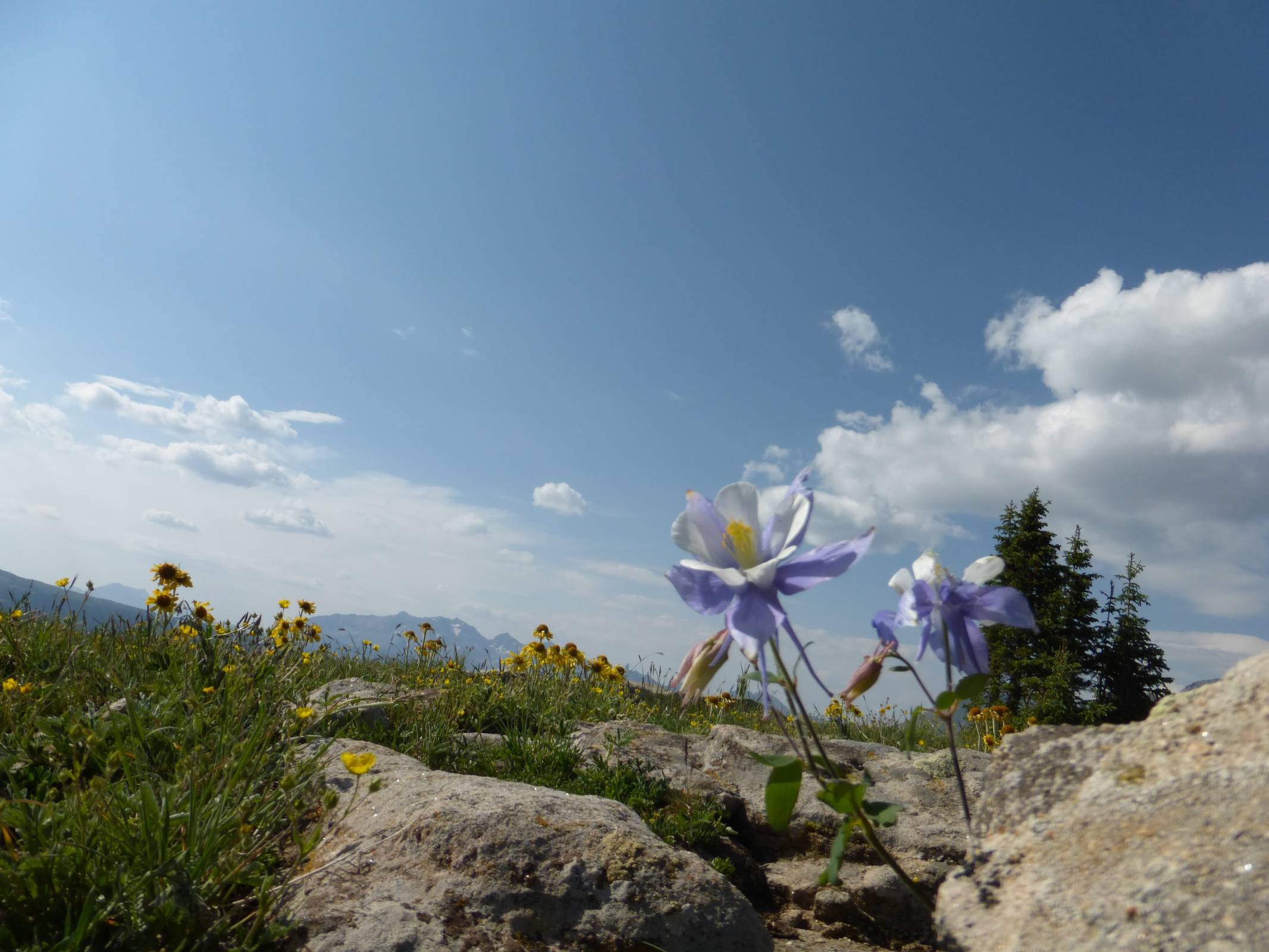
Colorado blue columbine (Aquilegia coerulea). Colorado’s state flower, with distinctive blue-and-white flowers and long nectar spurs. The gallery also includes columbine later in the season as seed pods develop.
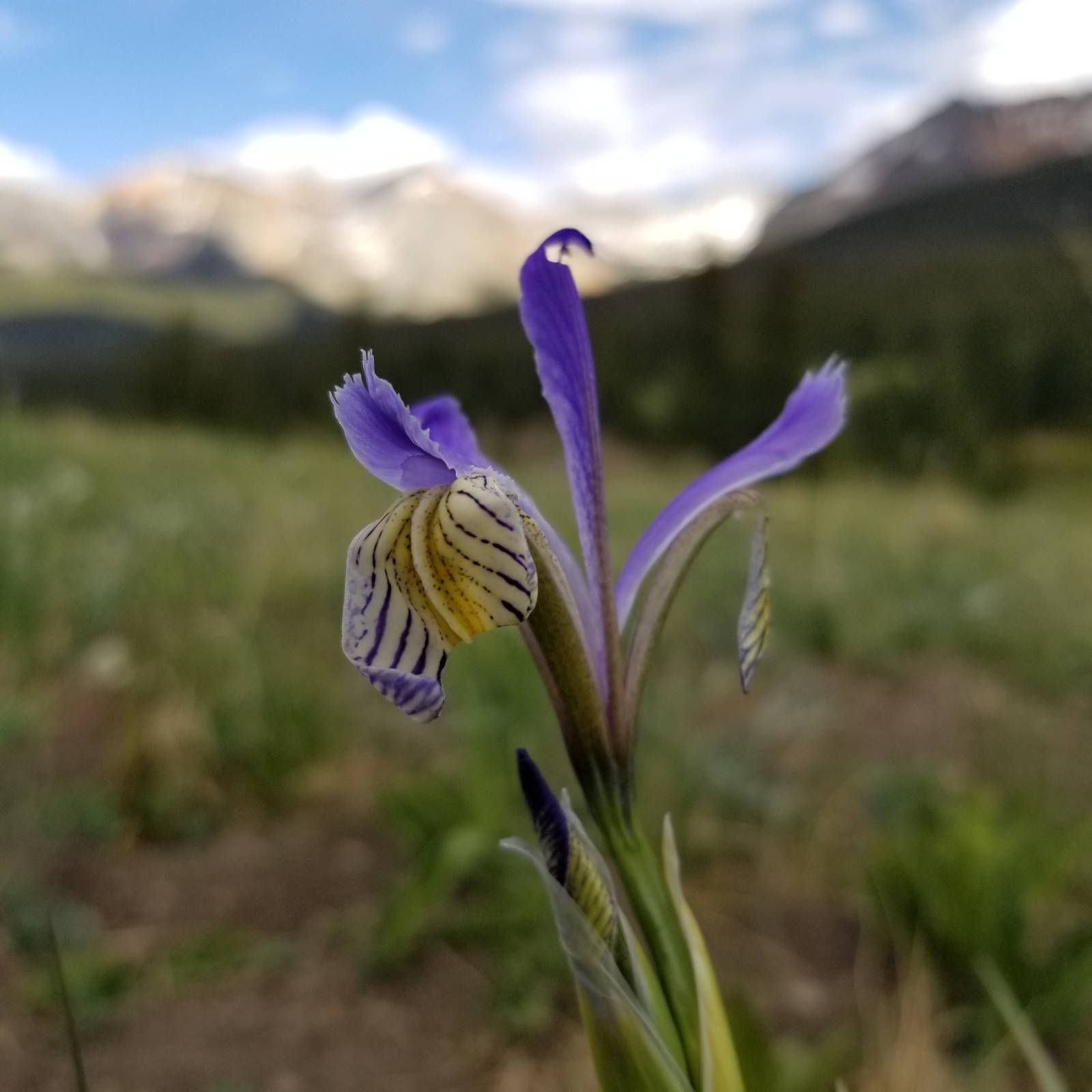
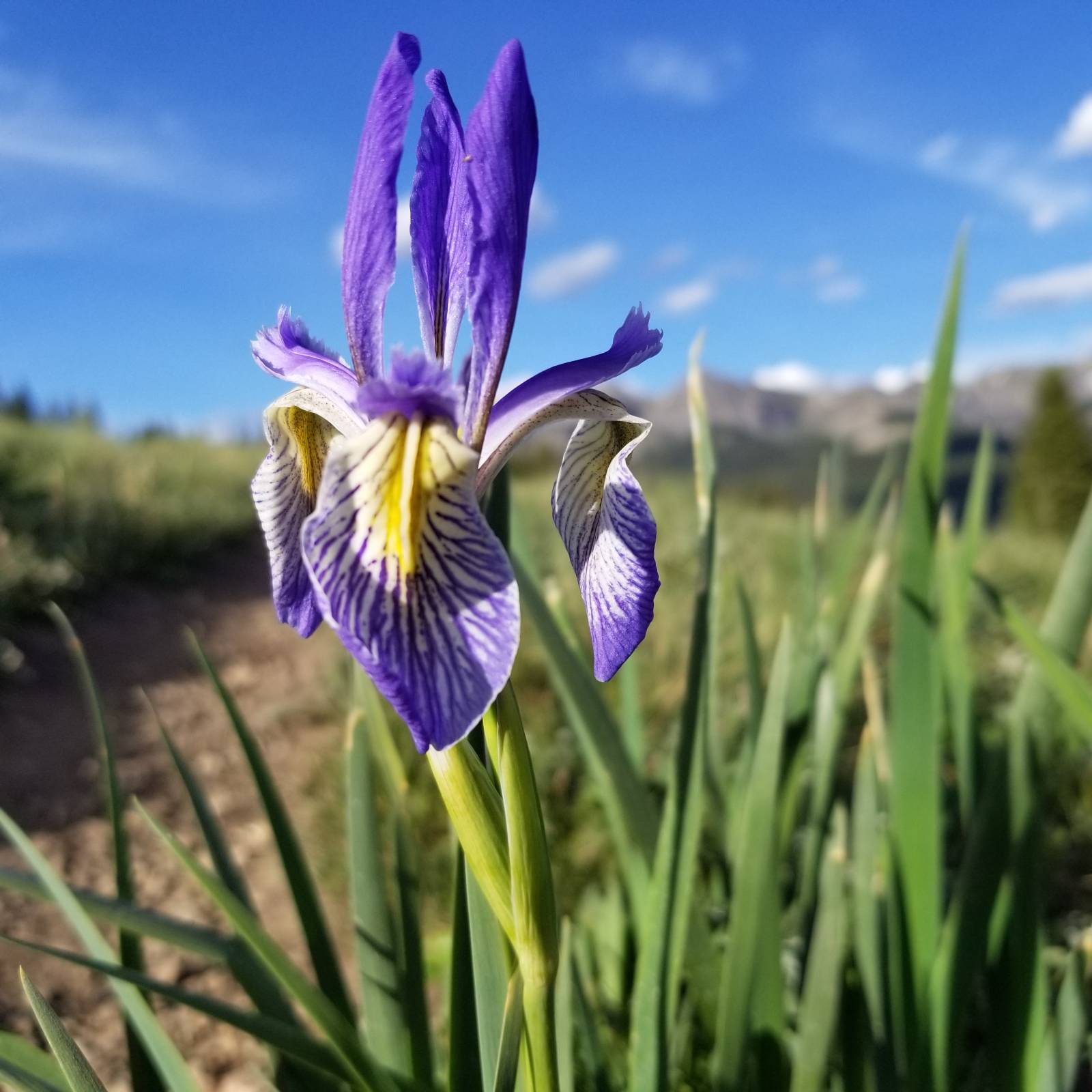
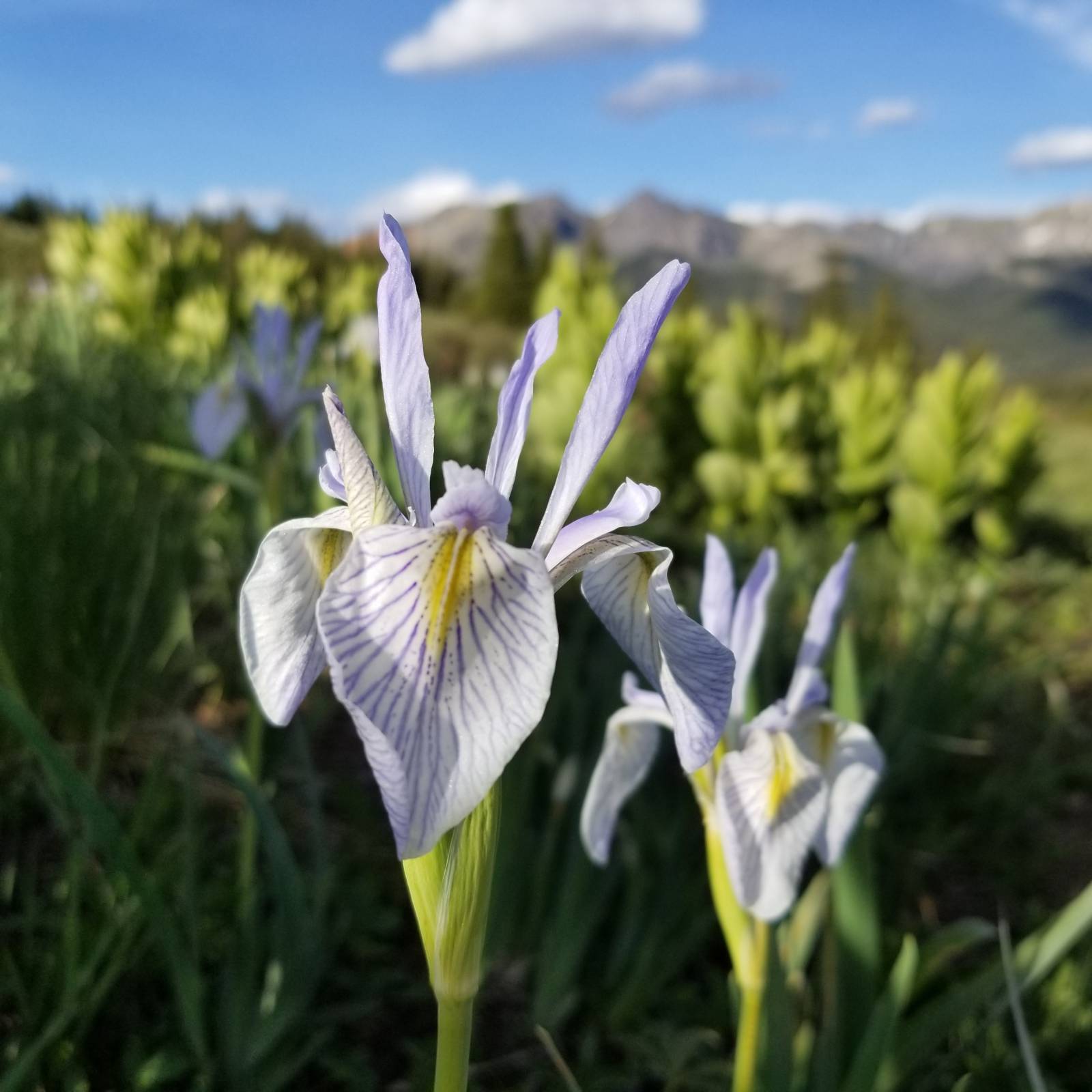
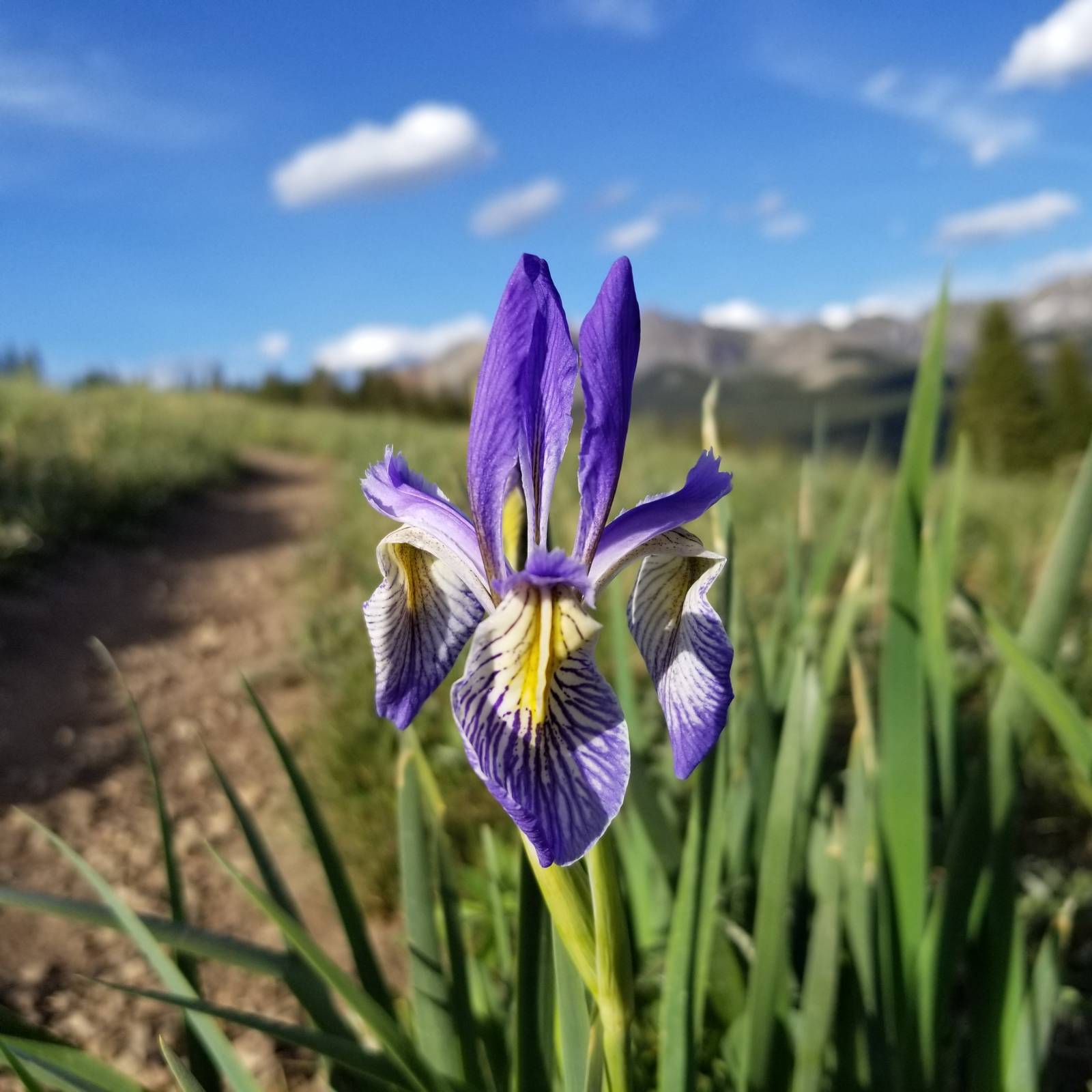
Rocky Mountain iris (Iris missouriensis). A purple-blue native iris of mountain meadows, including photographs taken near Lizard Head Pass.
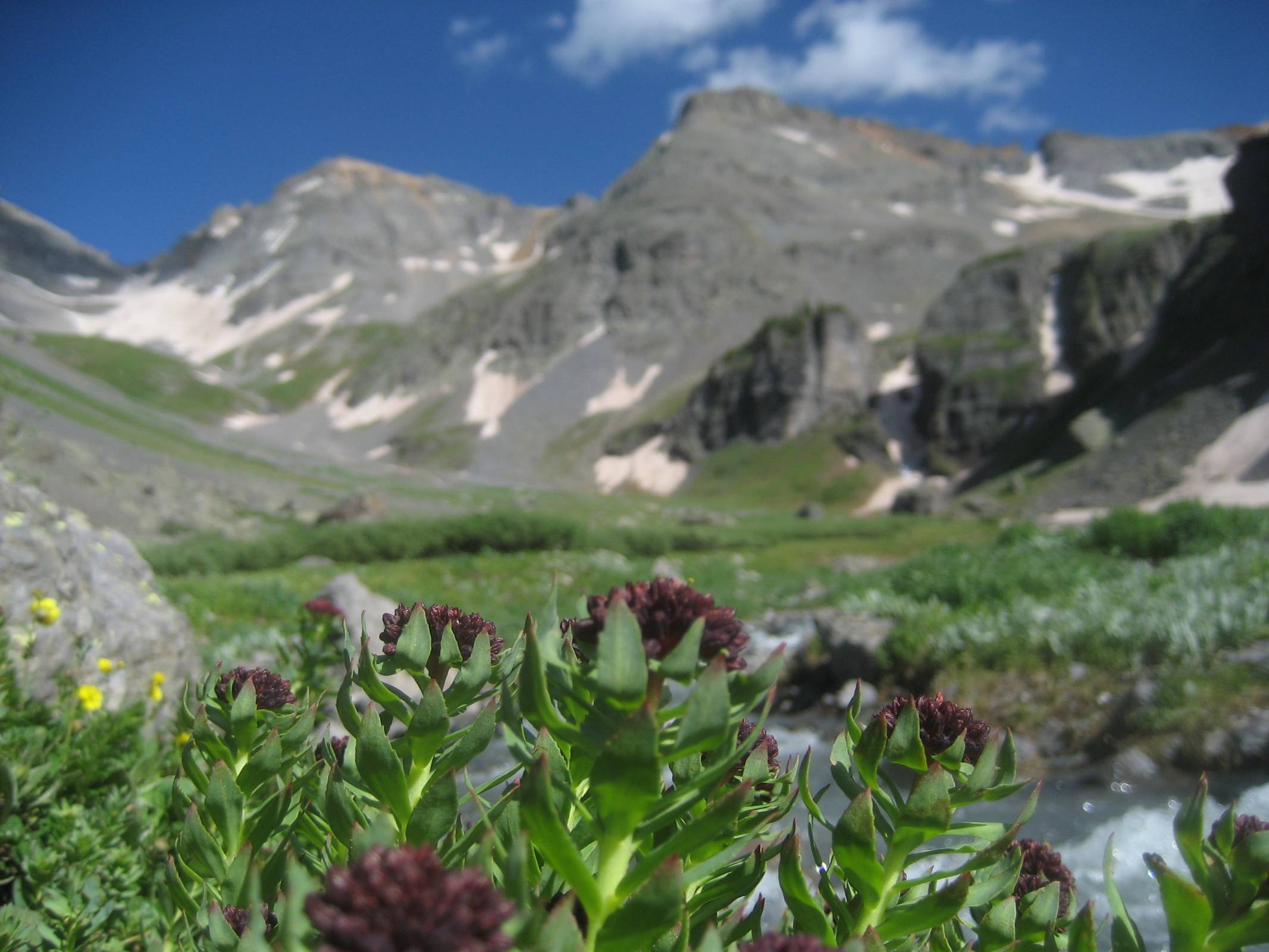
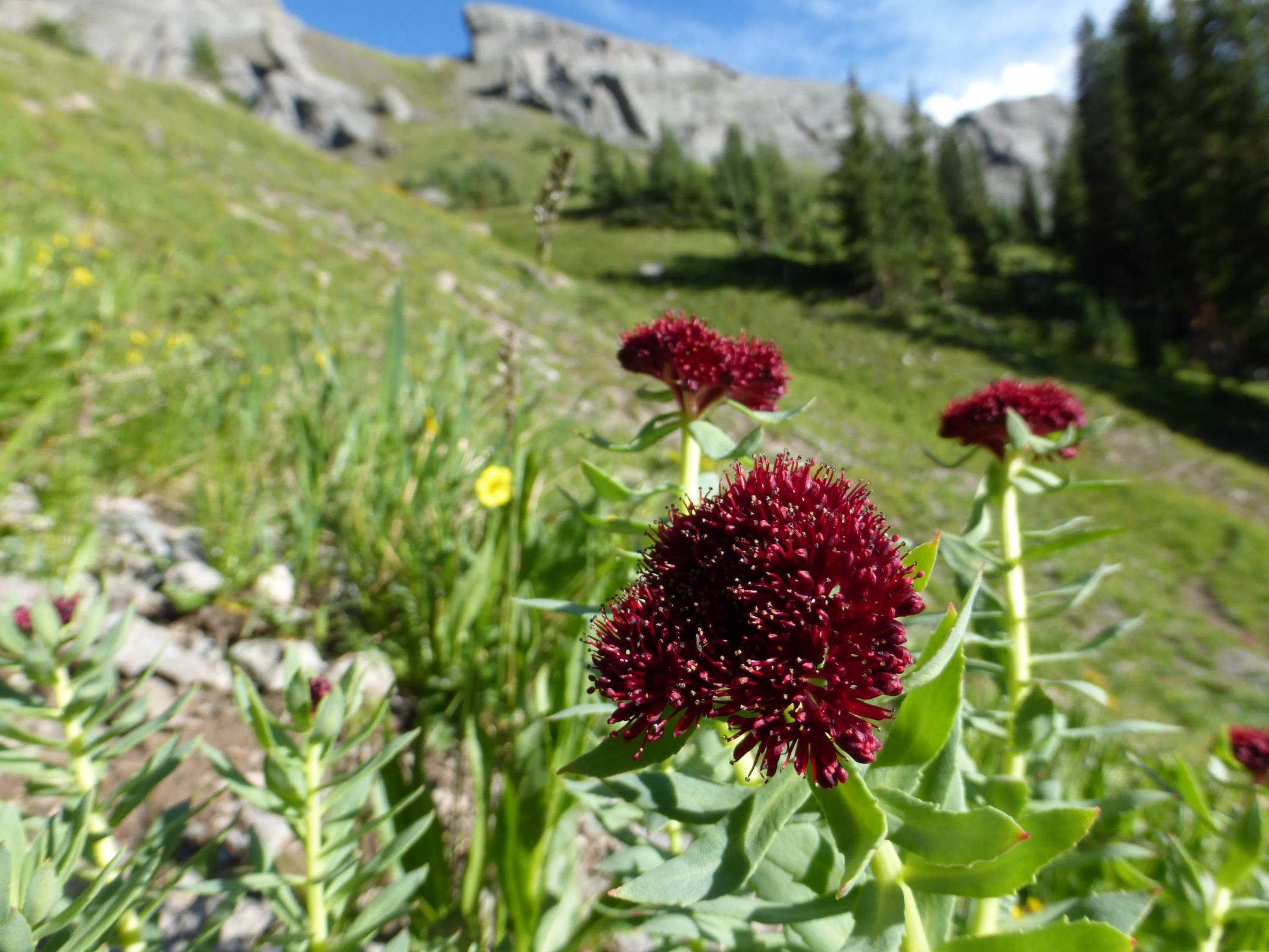
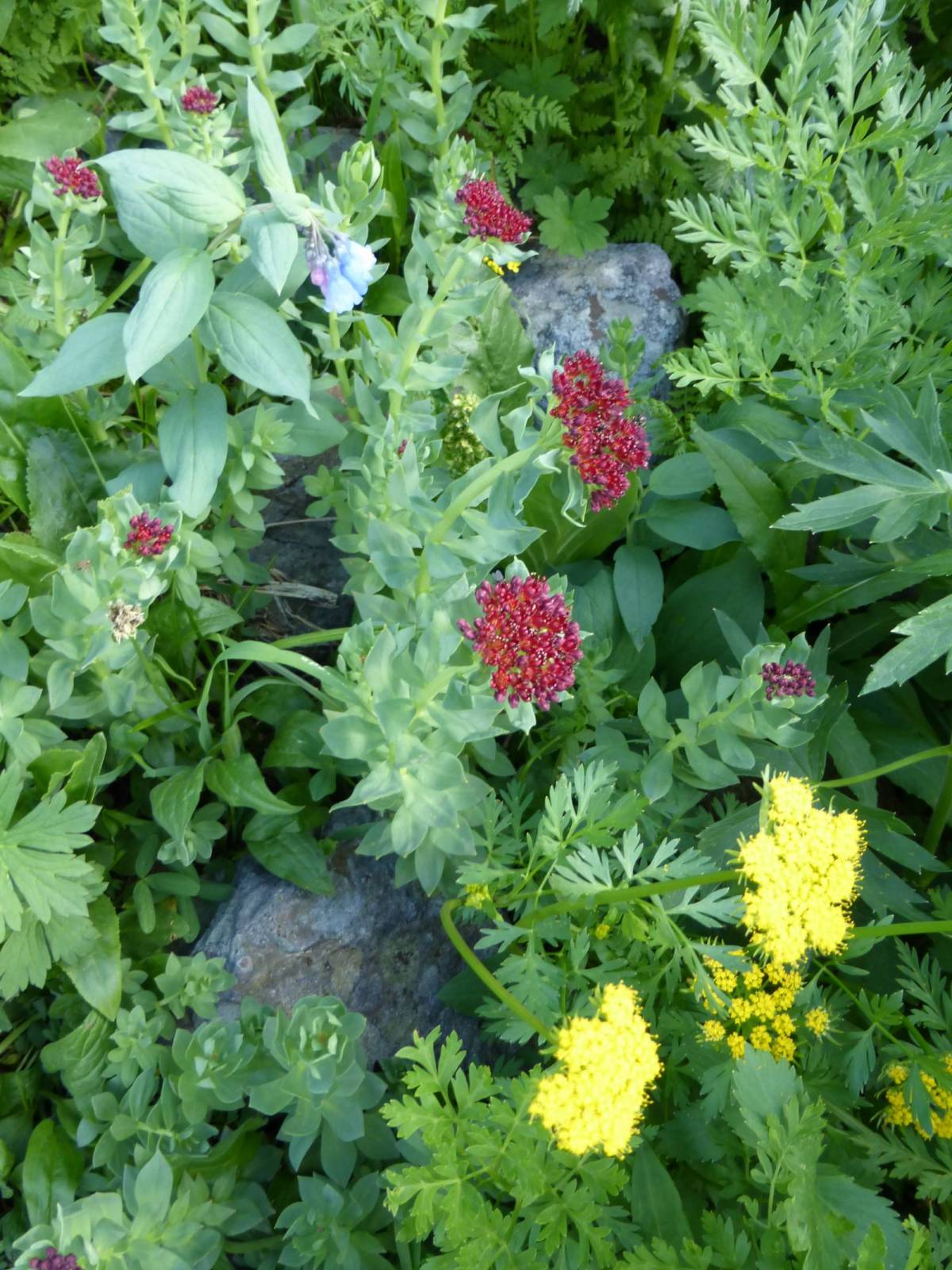
King’s Crown (Rhodiola integrifolia). A deep-red succulent of rocky subalpine and alpine habitats, photographed in several locations including upper Waterfall Canyon near Ophir.
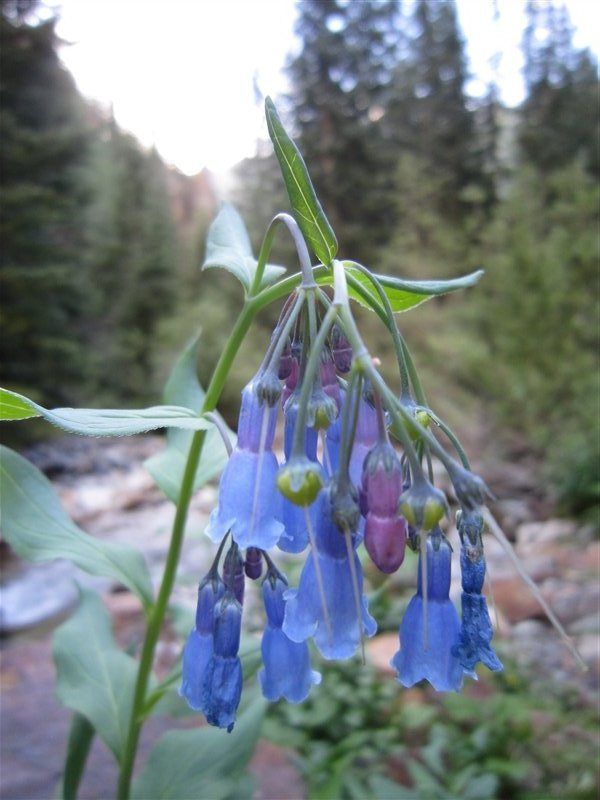
Mountain bluebells (Mertensia ciliata). Nodding blue flowers of moist mountain habitats. The gallery shows both flowering plants and plants later in the season after flowering.
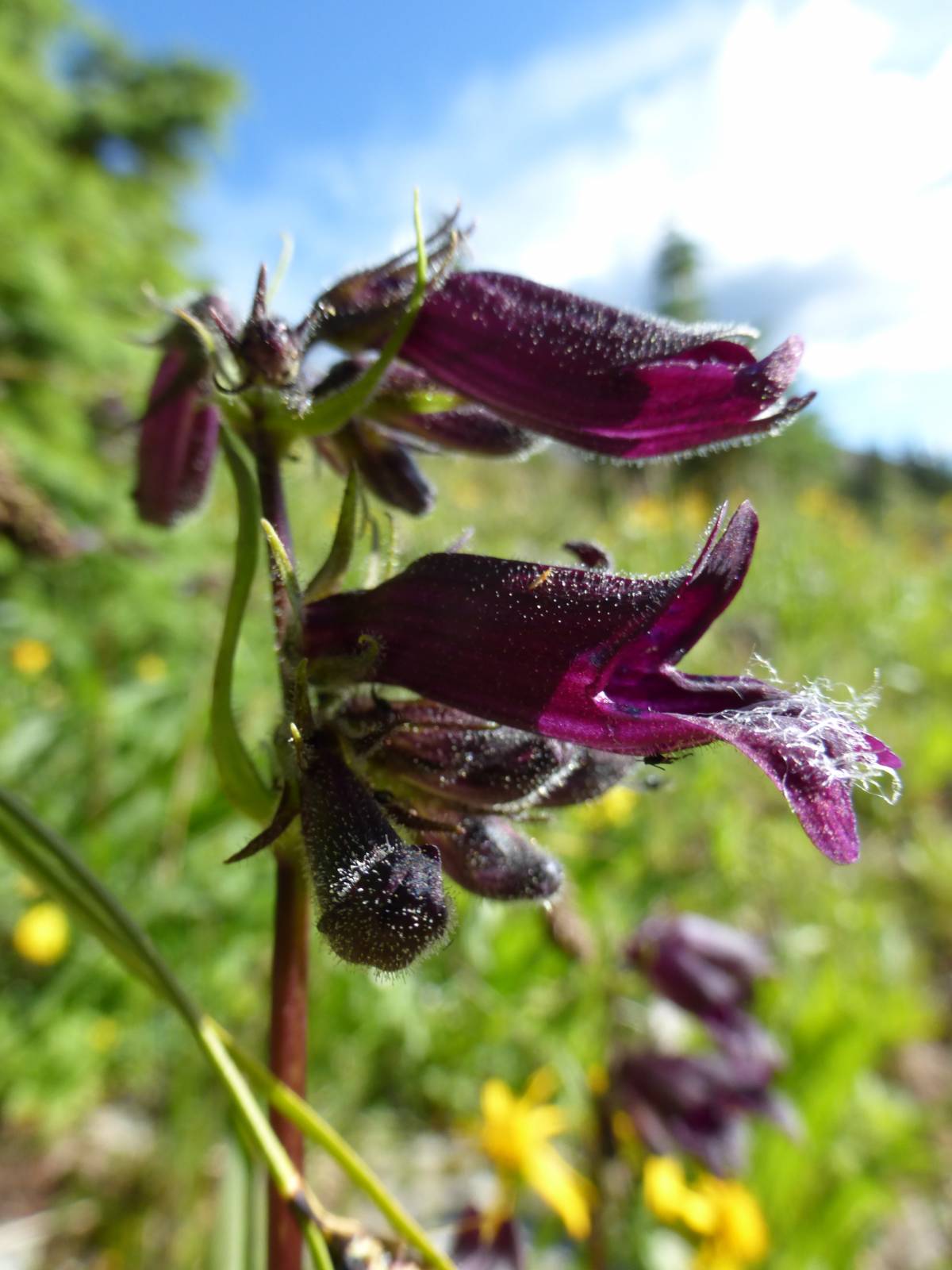
Whipple’s penstemon (Penstemon whippleanus). A distinctive dark wine-purple penstemon of the high country, represented both in flower and after flowering.
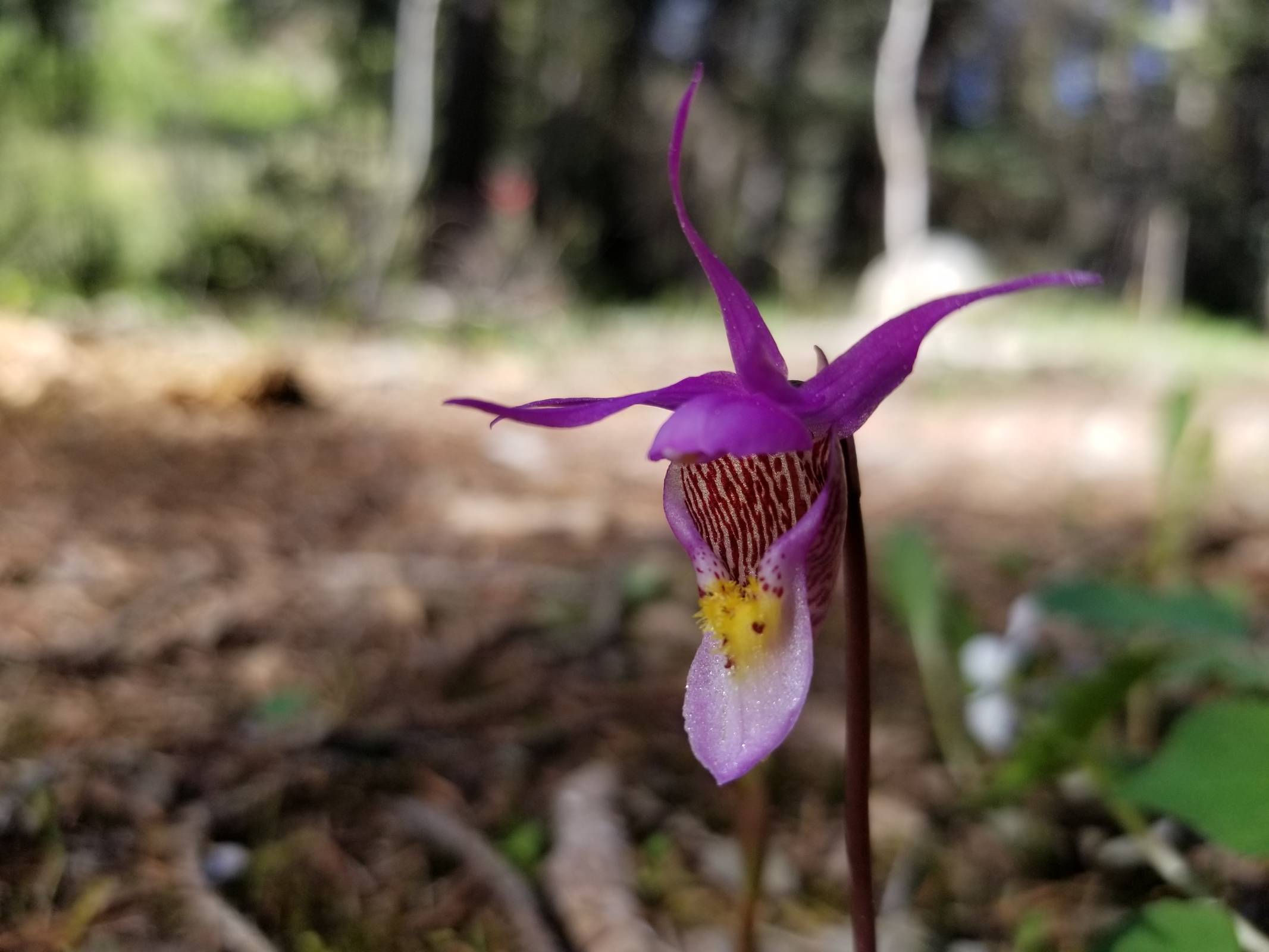
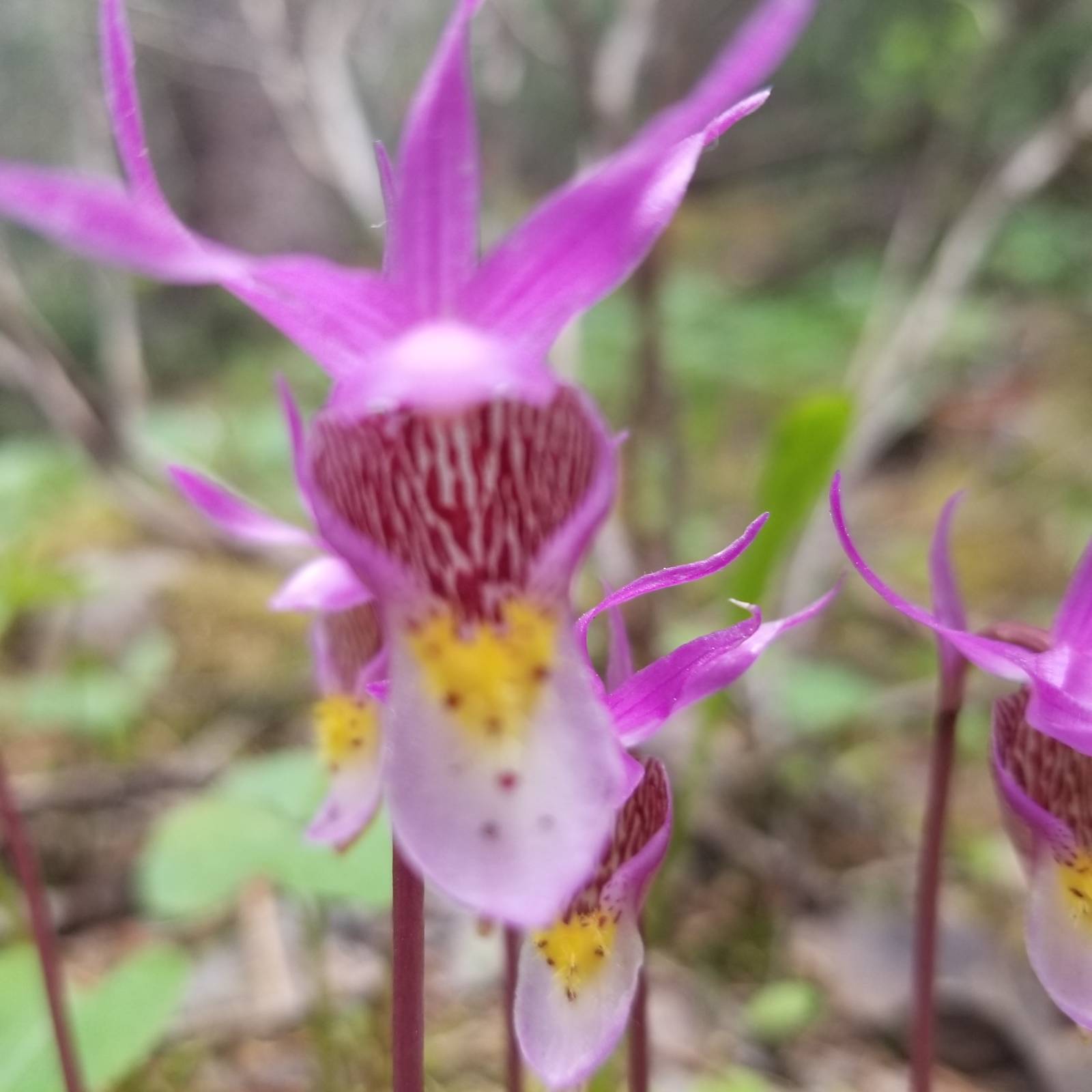
Fairy slipper orchid (Calypso bulbosa). A small pink-purple native orchid found on the shaded forest floor in the San Juan Mountains.
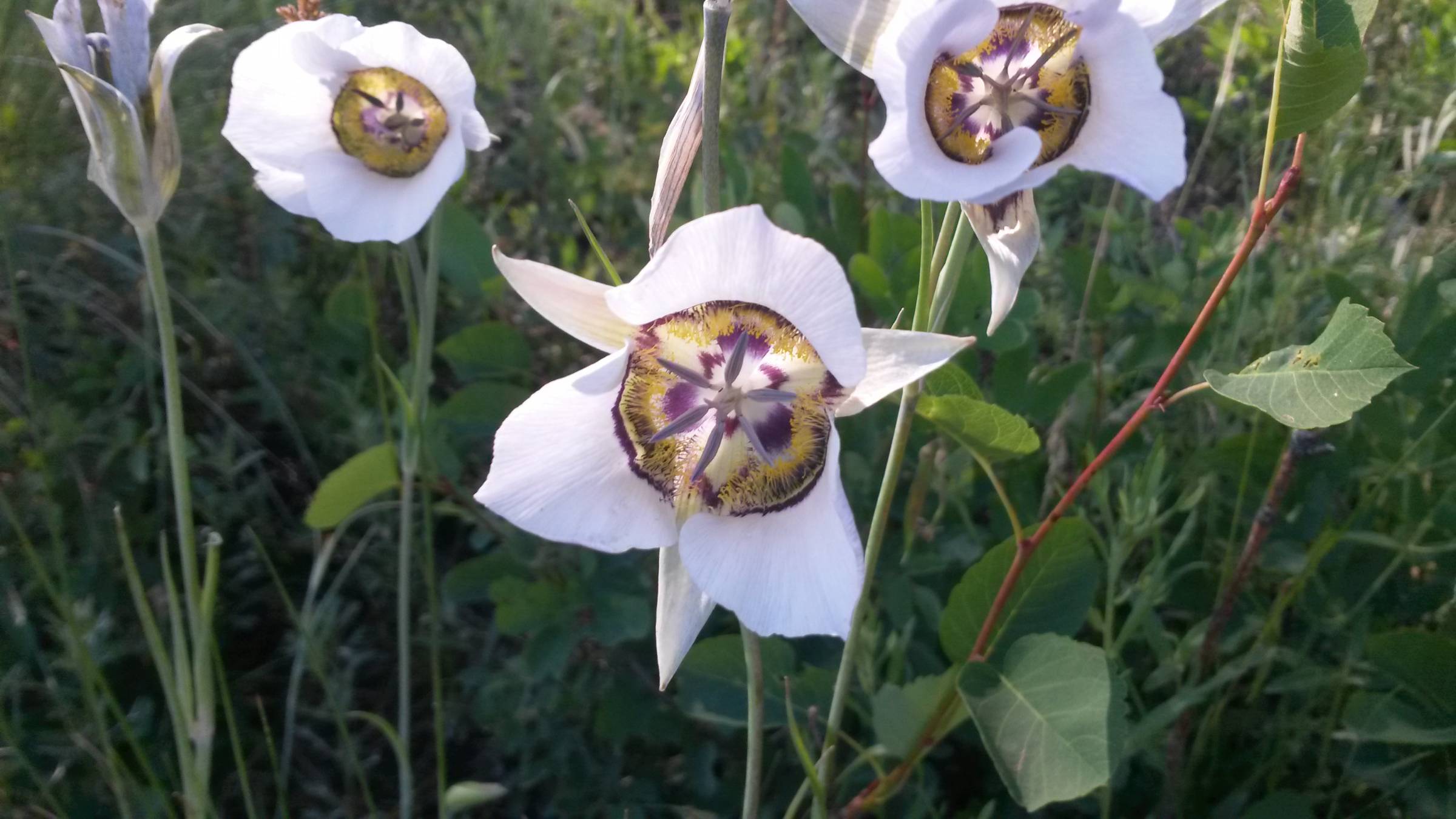
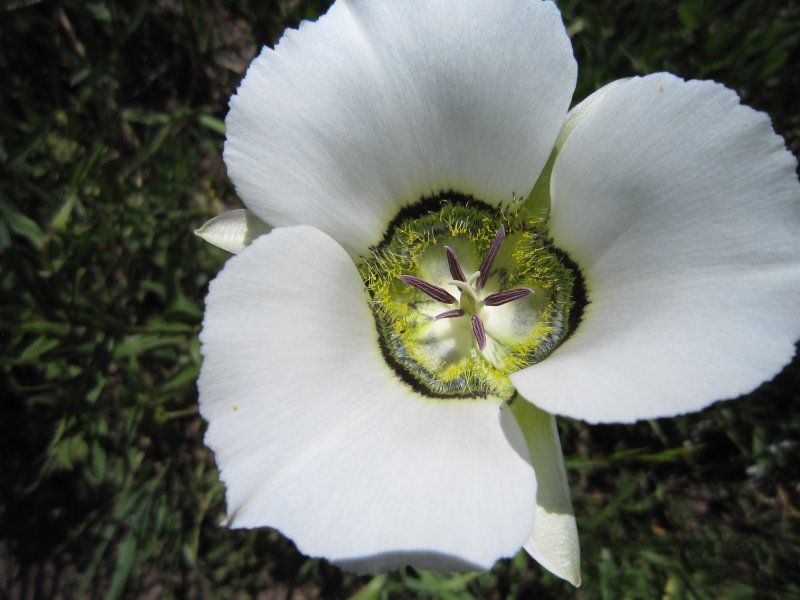
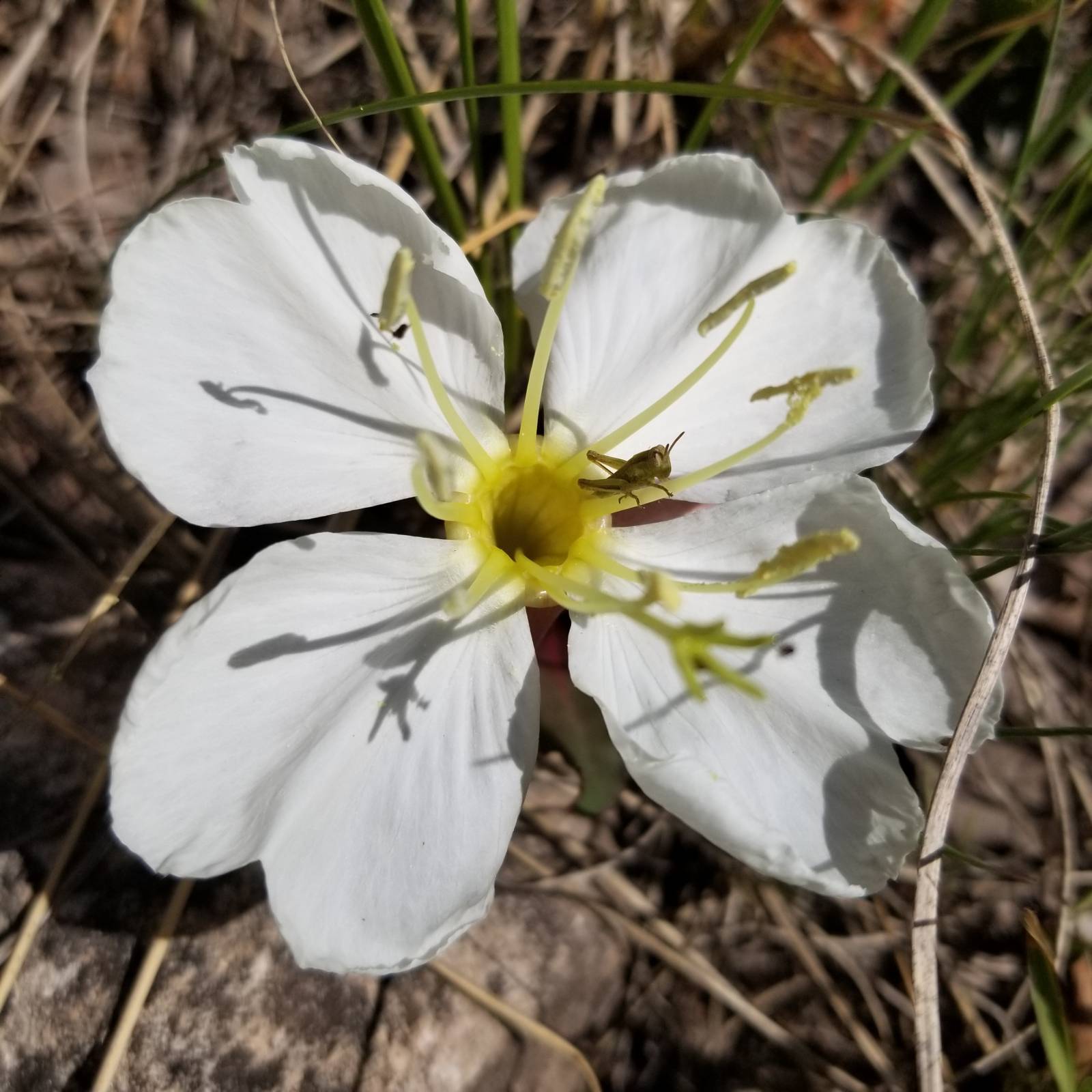
Gunnison’s mariposa lily (Calochortus gunnisonii). A white three-petaled lily with intricate yellow and purple markings at the center. One photograph in the gallery includes a small grasshopper inside the flower.
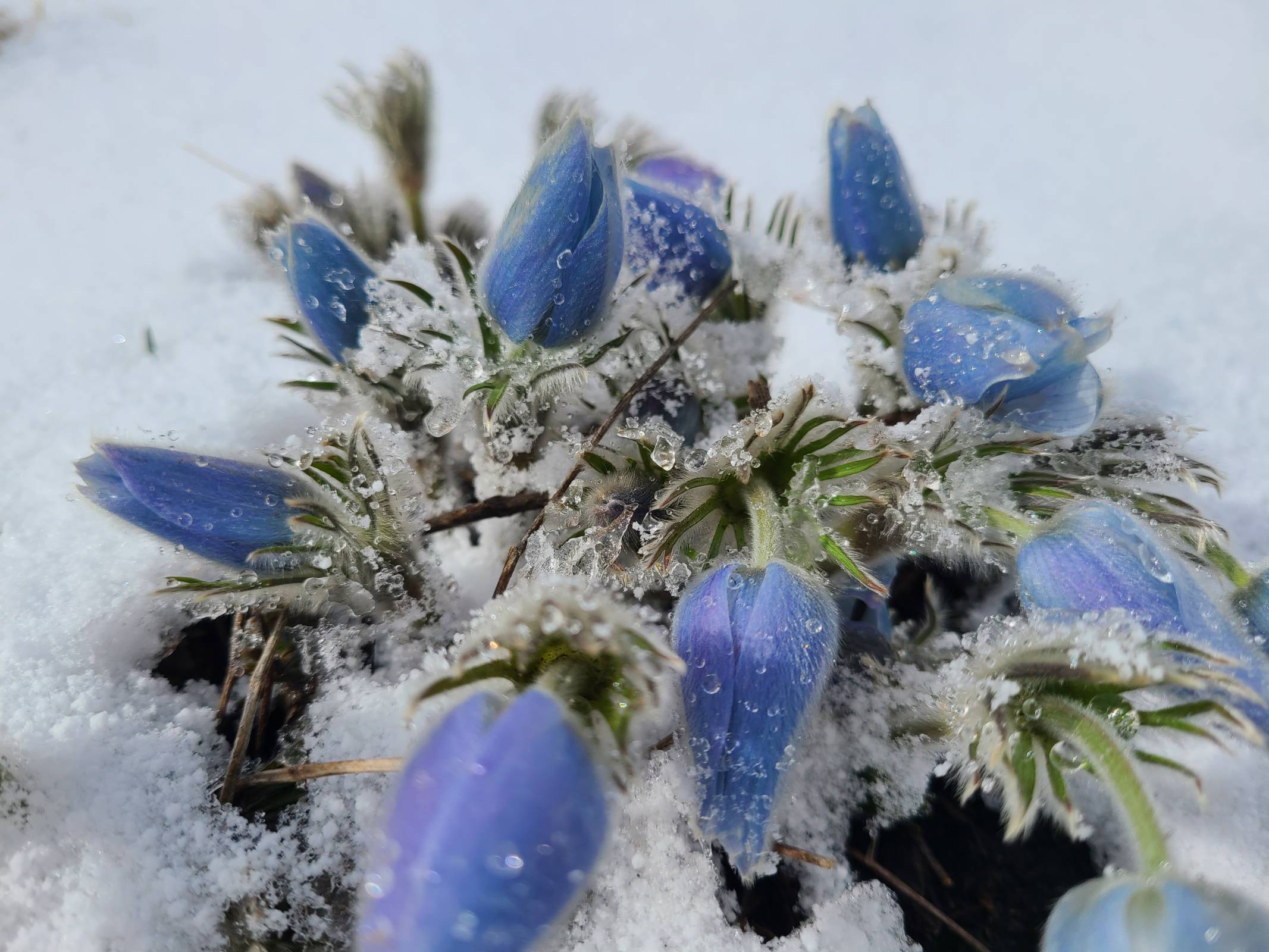
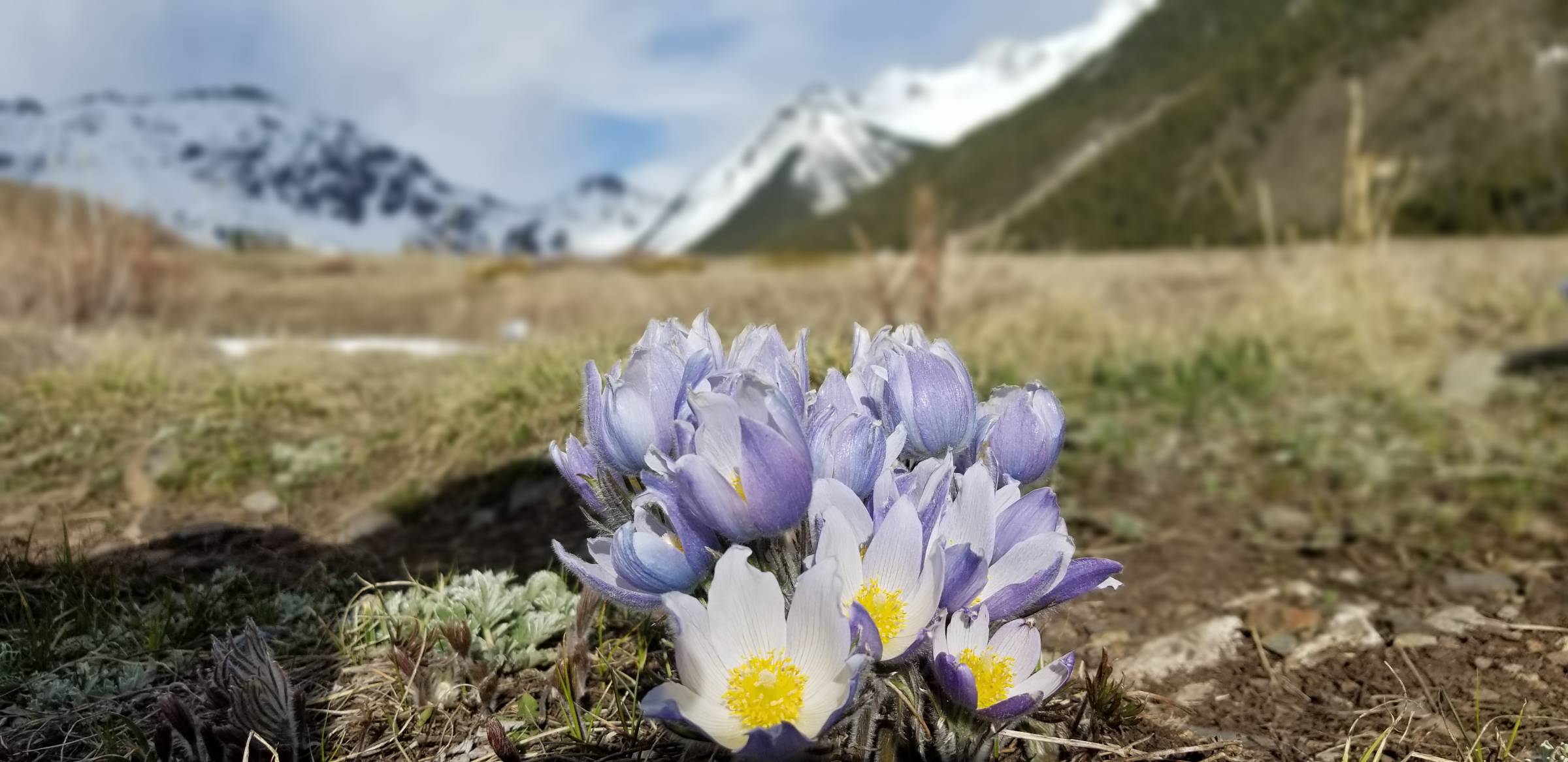
Mountain pasqueflower (Pulsatilla patens). One of the earlier mountain wildflowers, with hairy stems and pale violet flowers appearing while snow may still cover the surrounding high peaks.
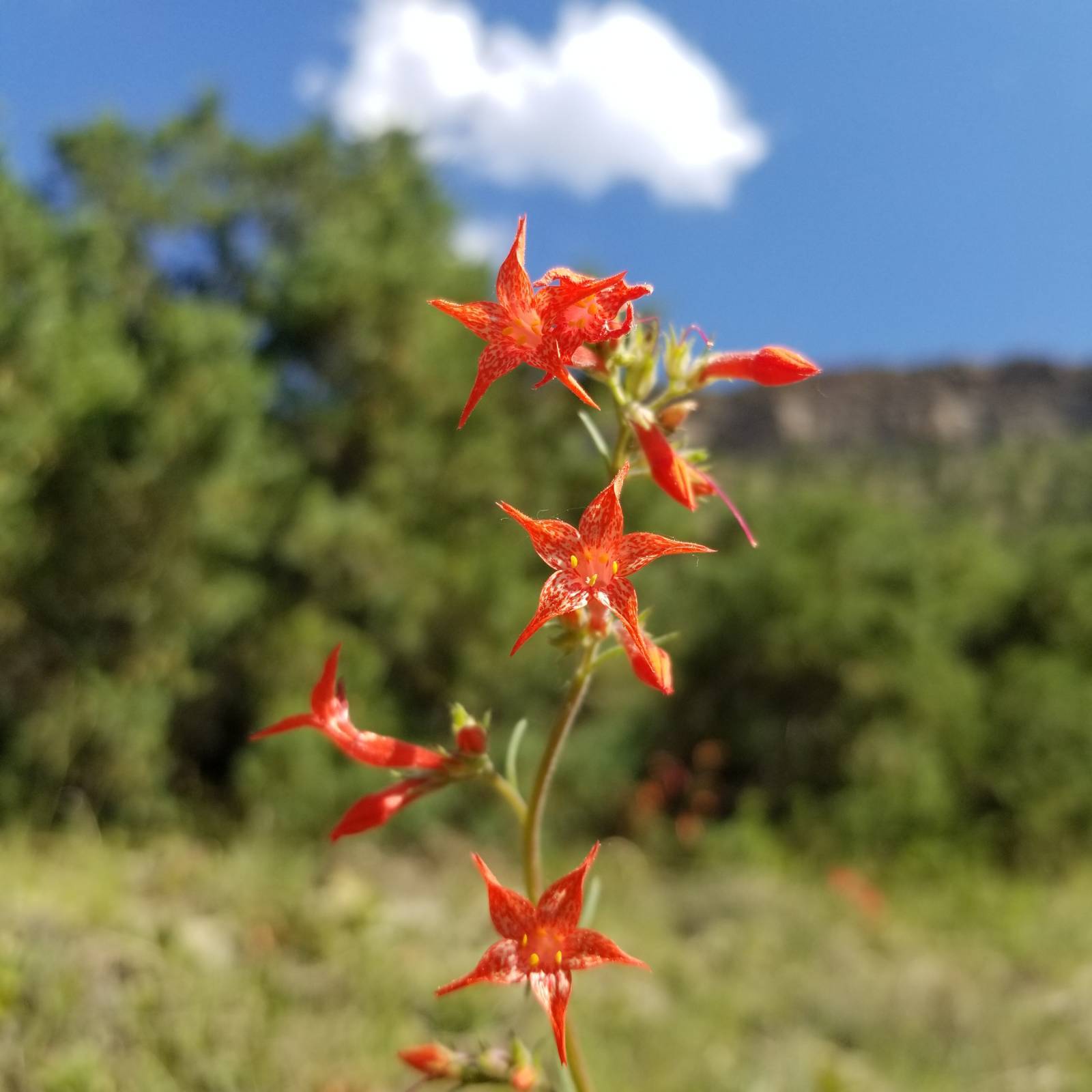
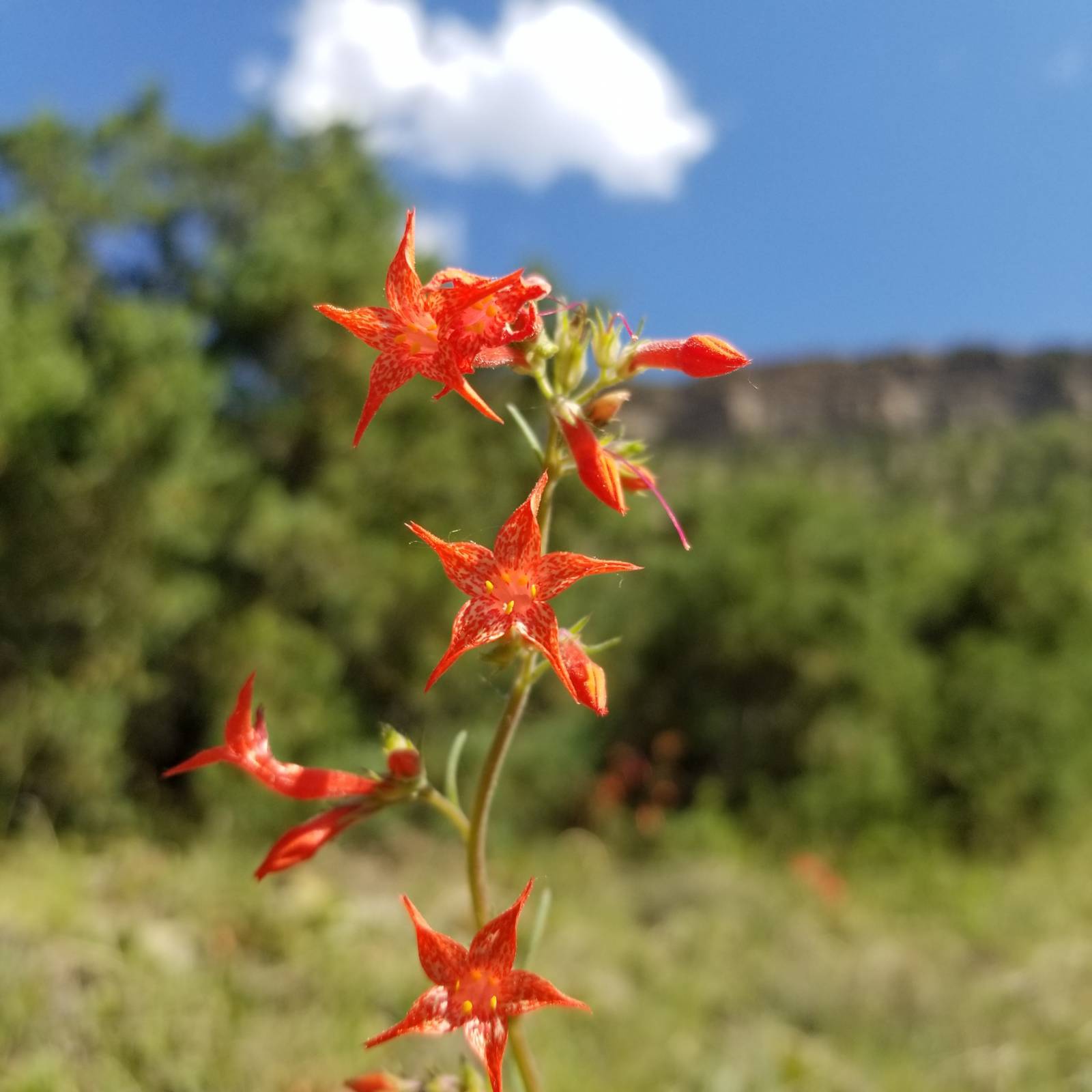
Scarlet gilia (Ipomopsis aggregata). Also called skyrocket, with brilliant red tubular flowers that stand out sharply in summer mountain meadows.
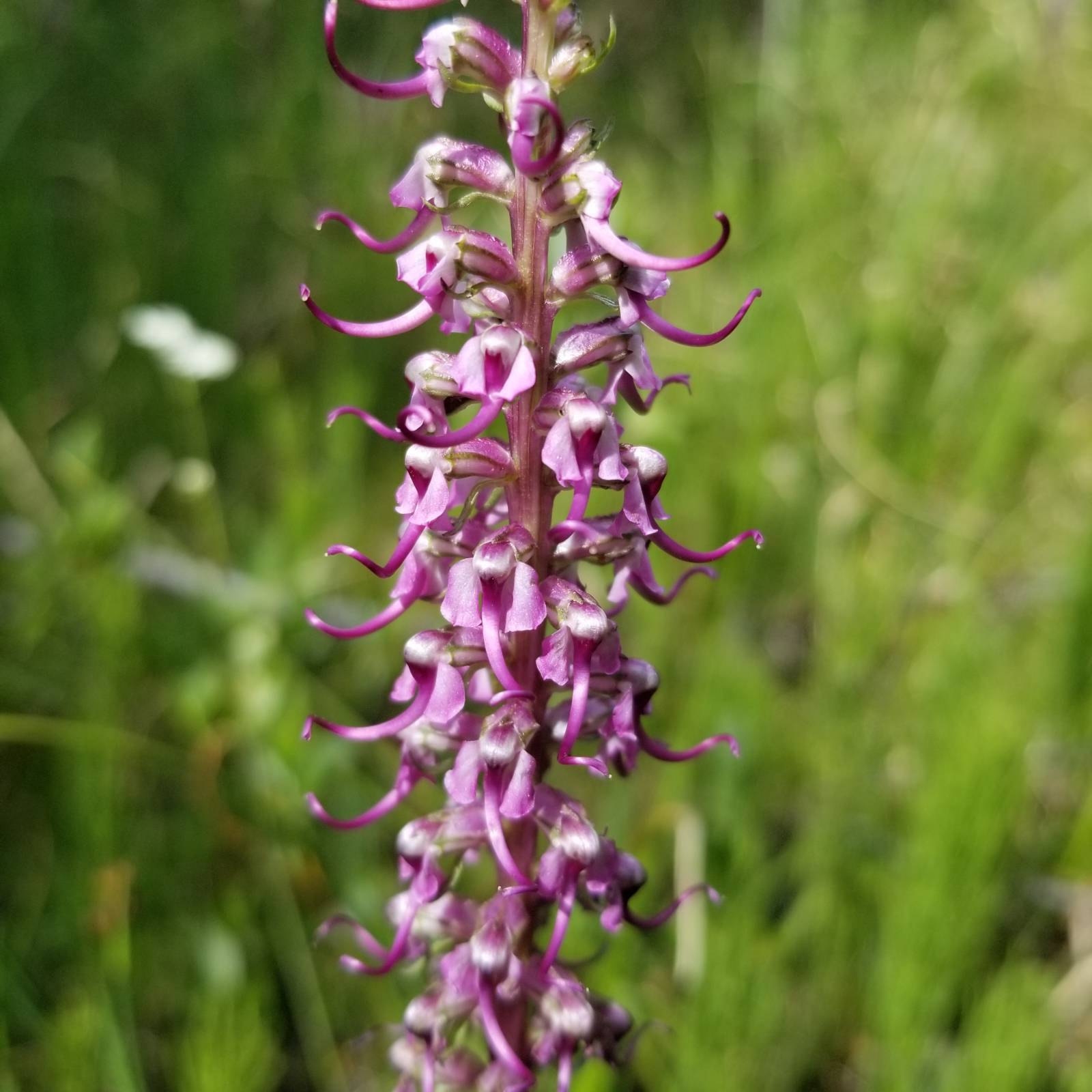
Elephant’s head (Pedicularis groenlandica). A pink wet-meadow wildflower named for the remarkable individual blossoms that resemble tiny elephant heads and curling trunks.
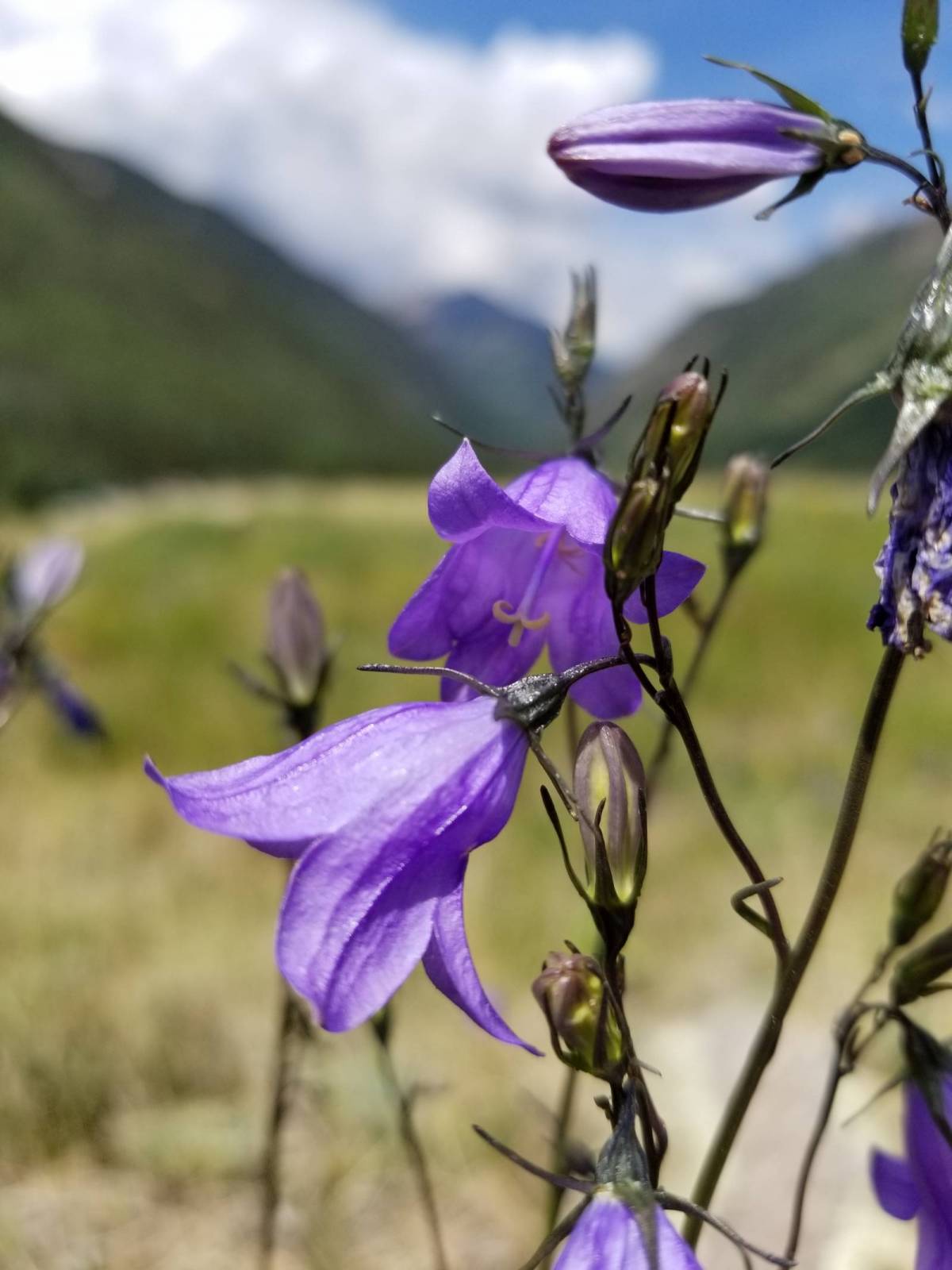
Harebell (Campanula rotundifolia). Delicate nodding violet-blue bells carried on slender stems in mountain meadows.
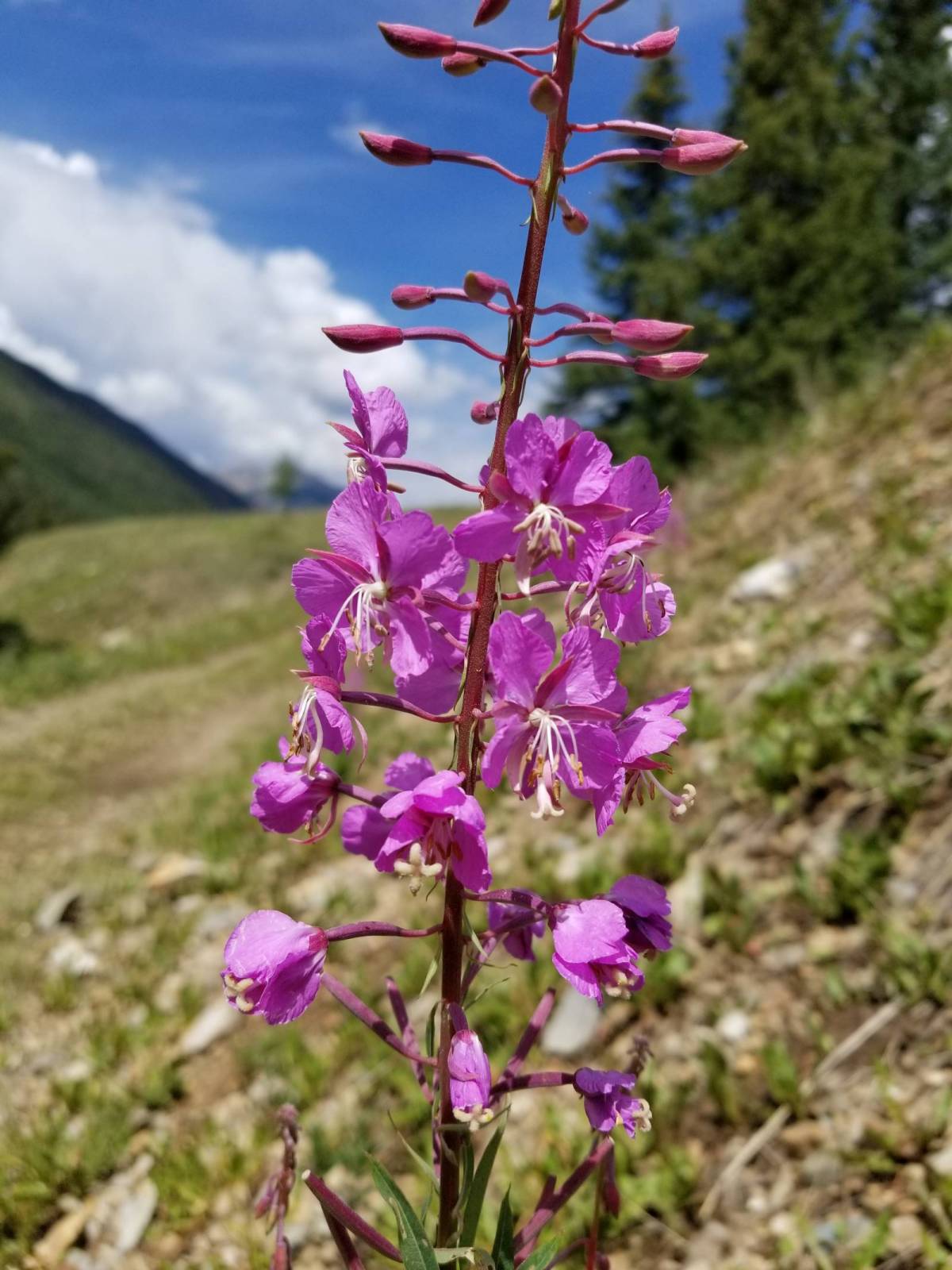
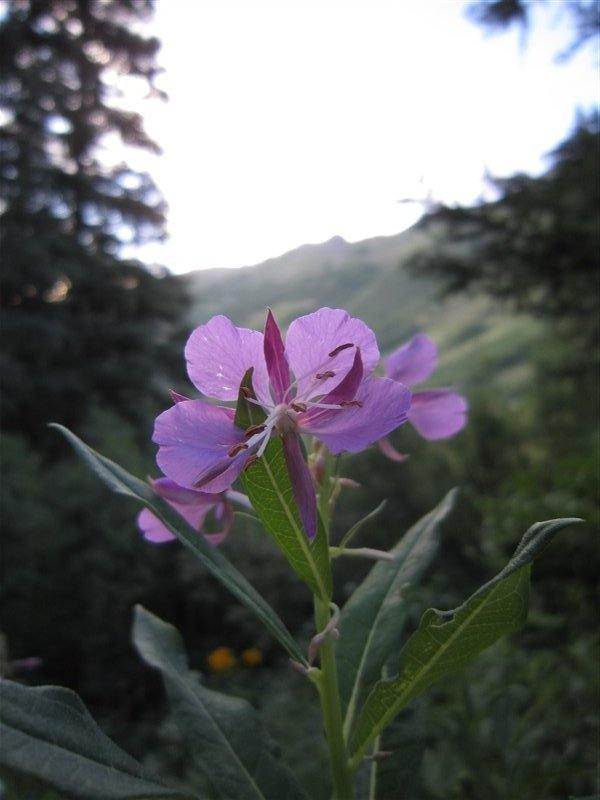
Fireweed (Chamerion angustifolium). Tall spikes of vivid pink-purple flowers, commonly found on mountain slopes and disturbed ground.
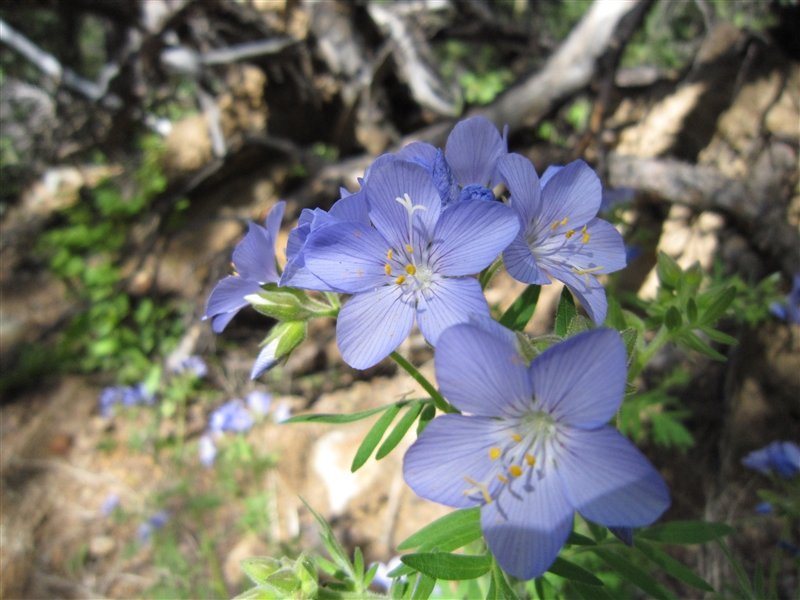
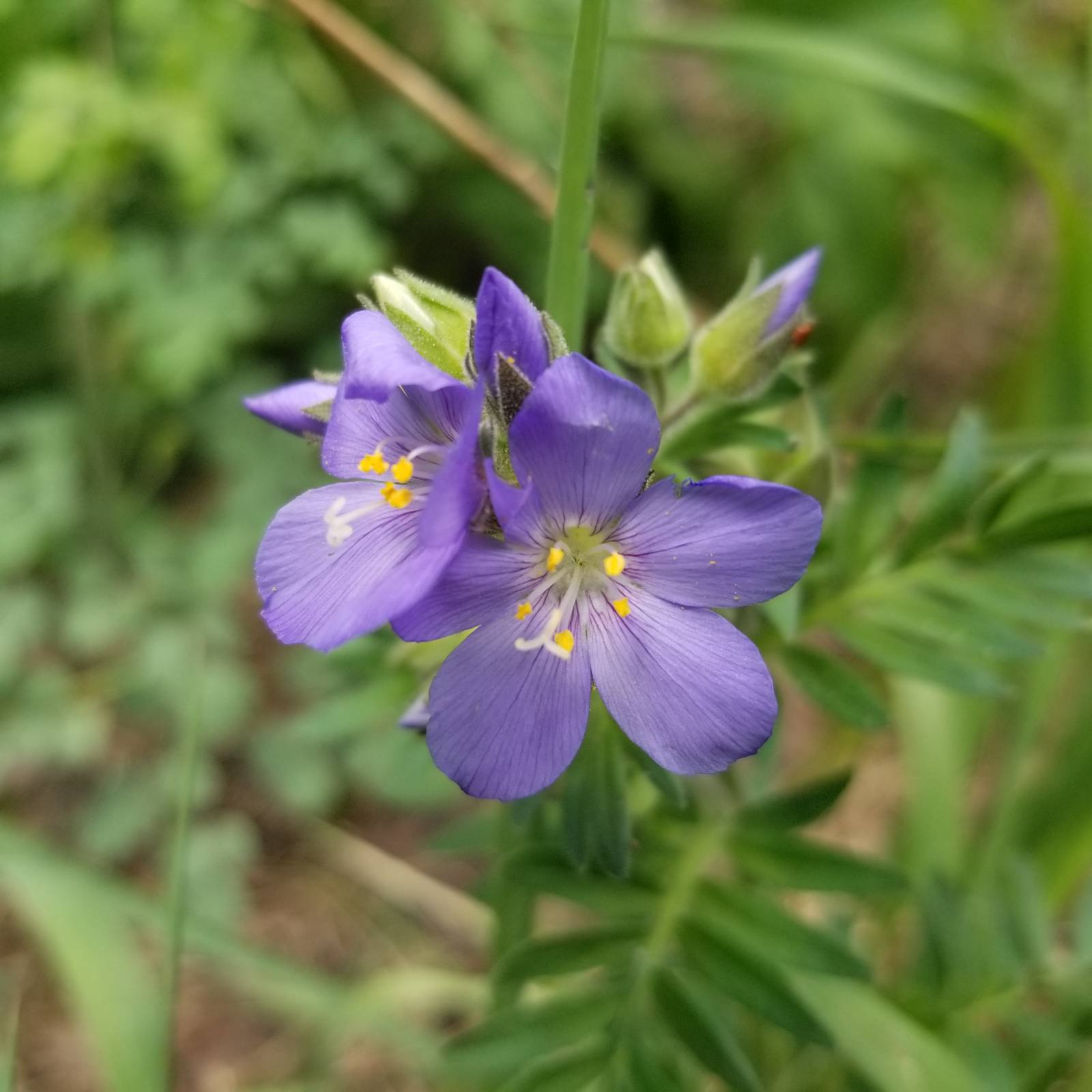
Showy Jacob’s ladder (Polemonium pulcherrimum). Pale blue-violet flowers above distinctive pinnate foliage, photographed in the San Juan Mountains.
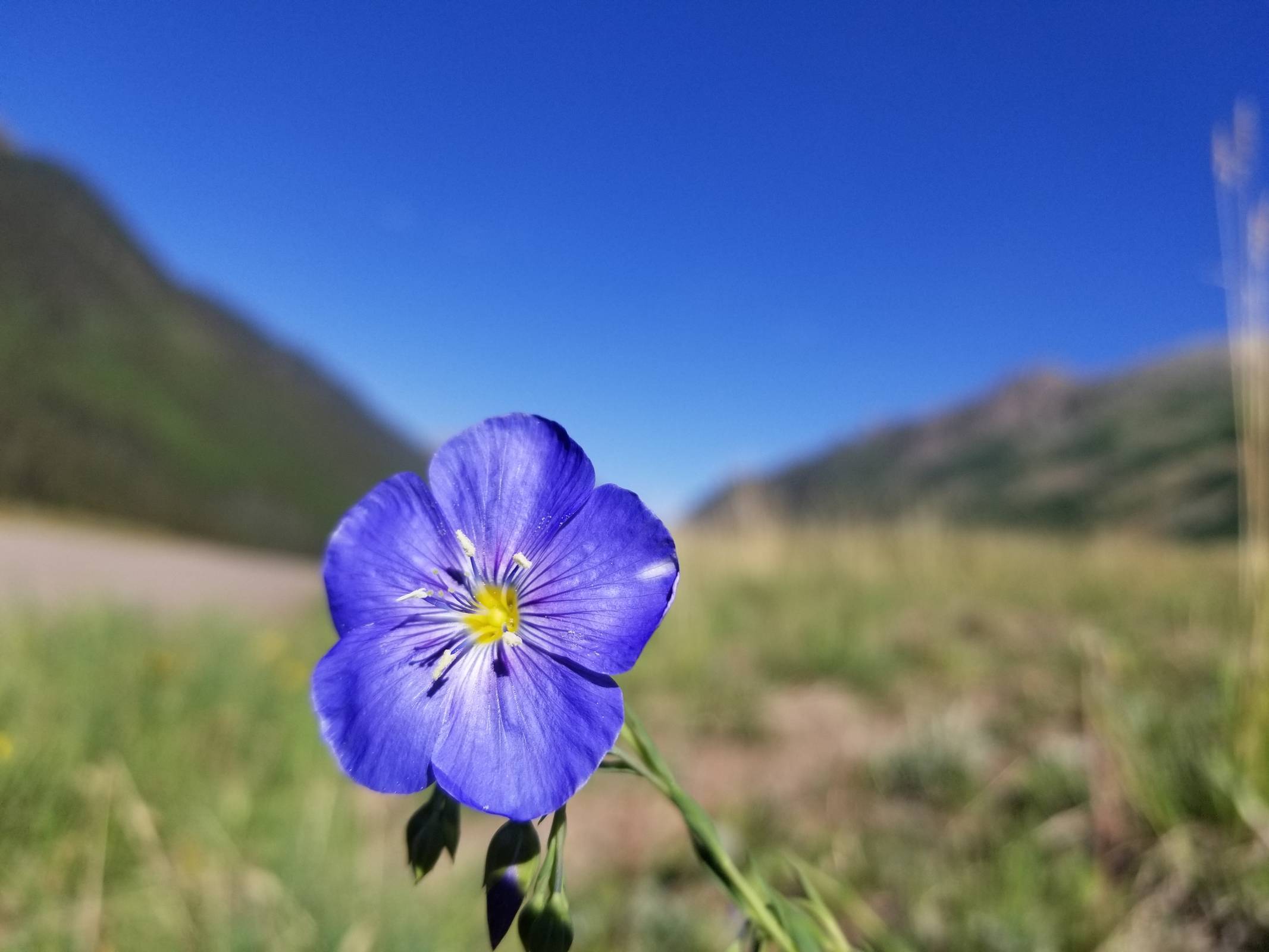
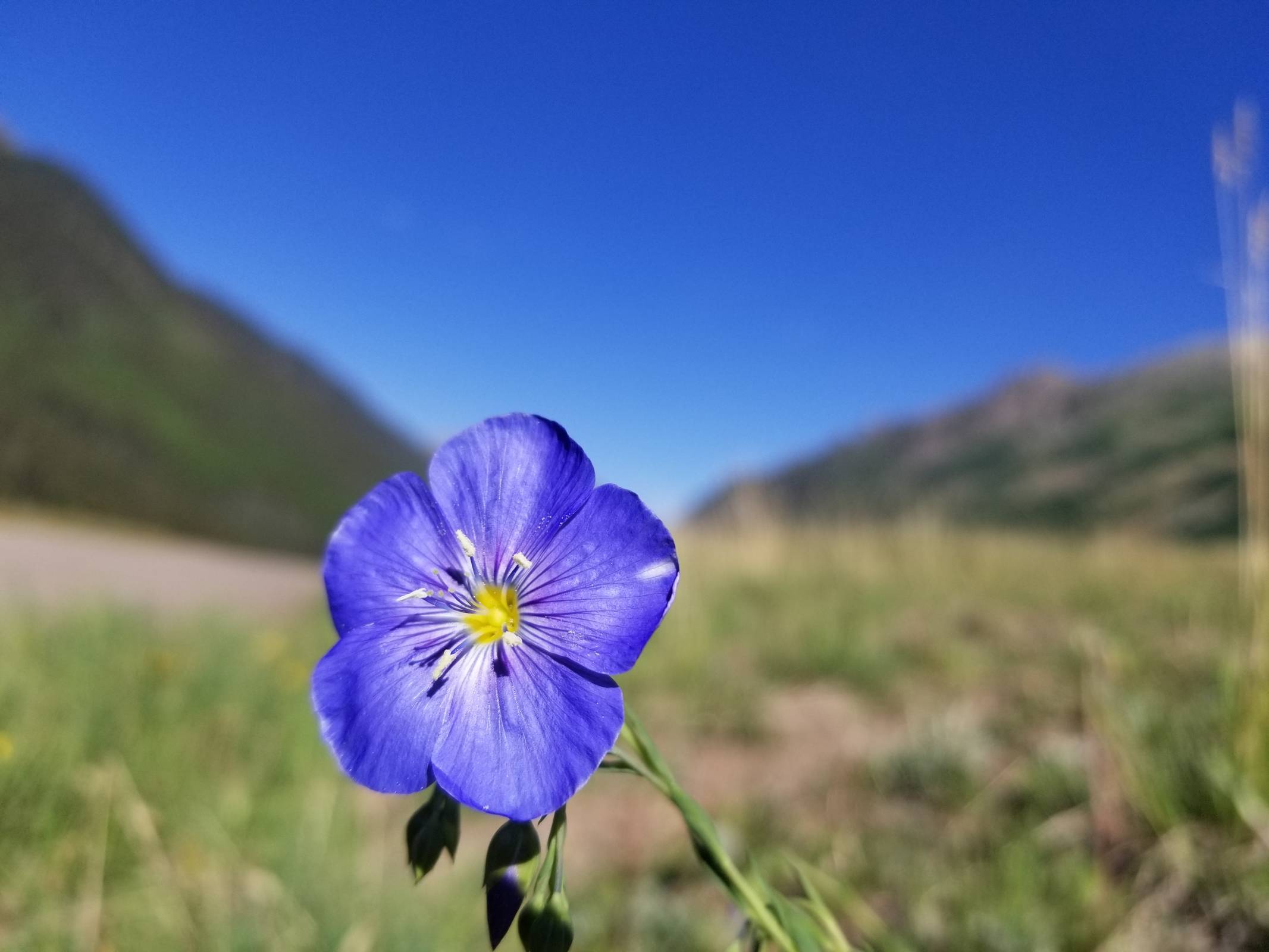
Lewis flax (Linum lewisii). A delicate blue five-petaled wildflower, including a photograph taken in Ophir.
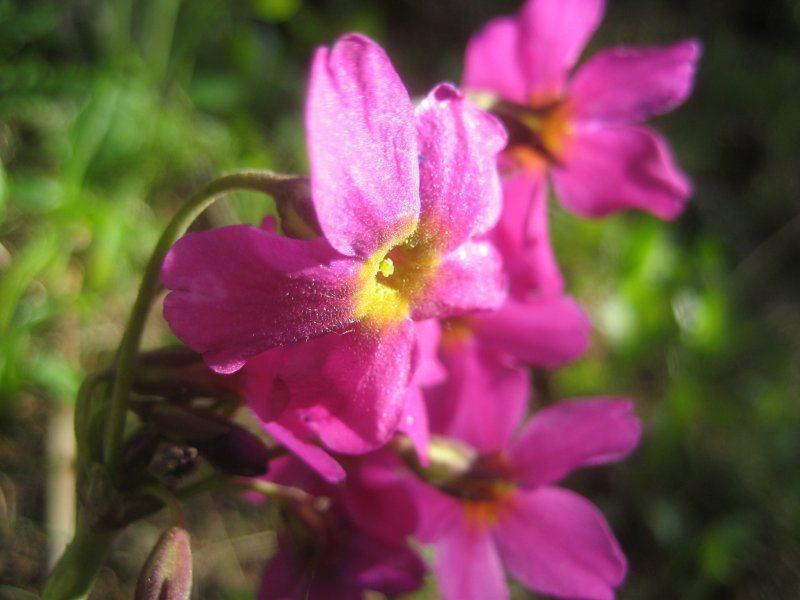
Parry’s primrose (Primula parryi). Vivid magenta flowers with a yellow center, found in wet, high-elevation ground in the San Juan Mountains.
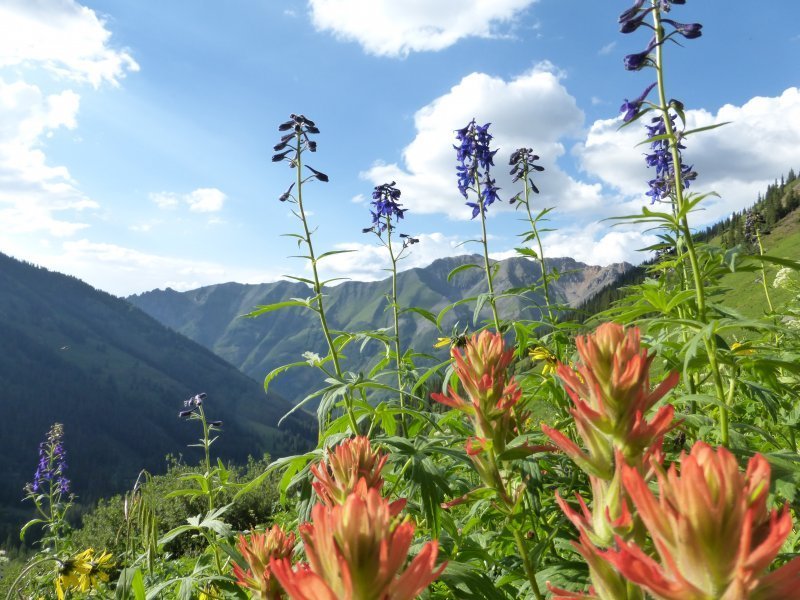
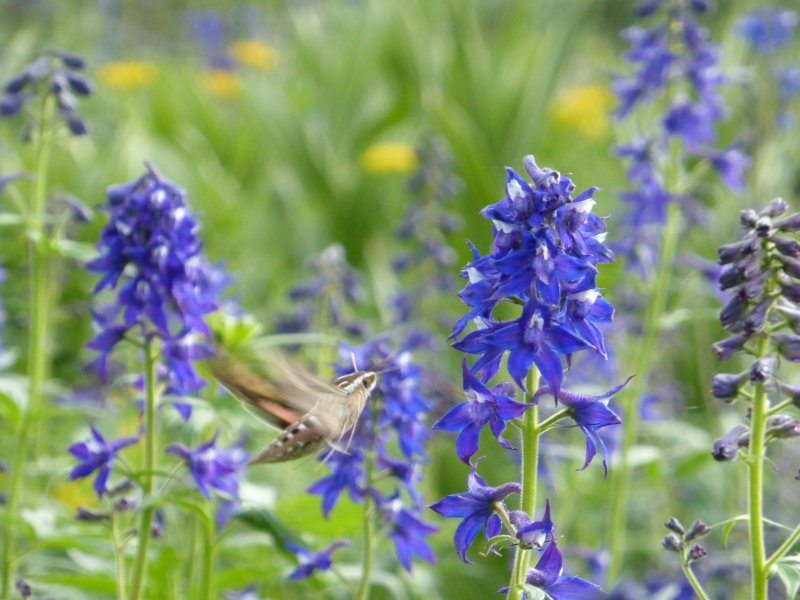
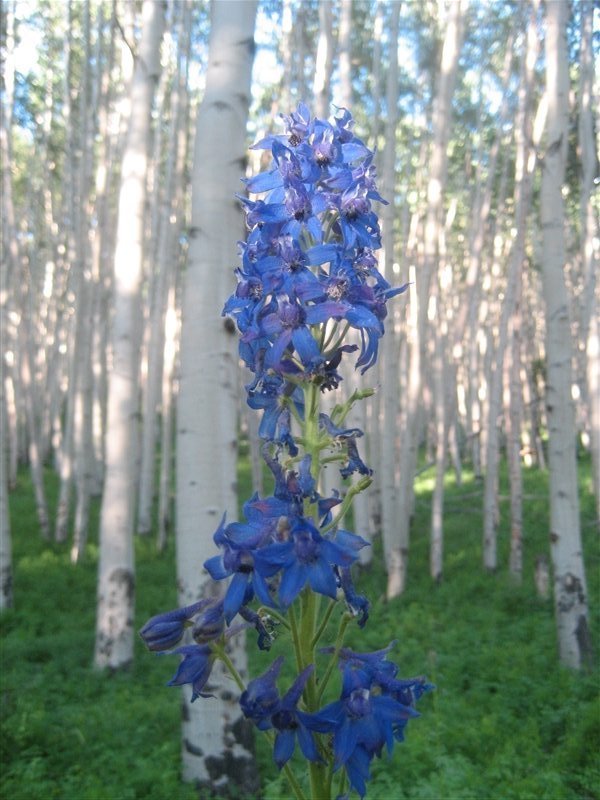
Subalpine larkspur (Delphinium barbeyi). Tall blue-violet flower spikes of lush subalpine habitats. One gallery photograph captures a white-lined sphinx moth feeding from the flowers.
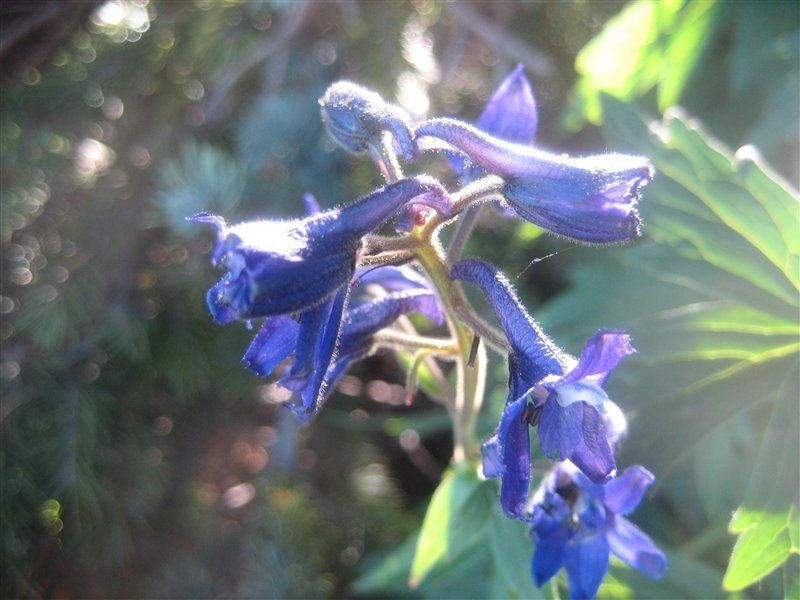
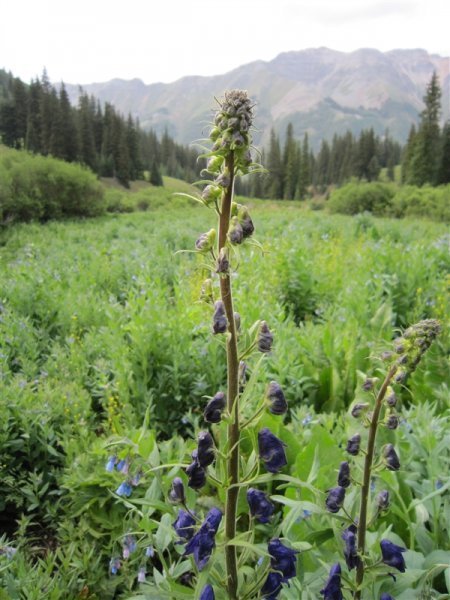
Columbia monkshood (Aconitum columbianum). Distinctive hooded blue-purple flowers growing in wet subalpine habitat, including Waterfall Canyon near Ophir. All parts of the plant are toxic.
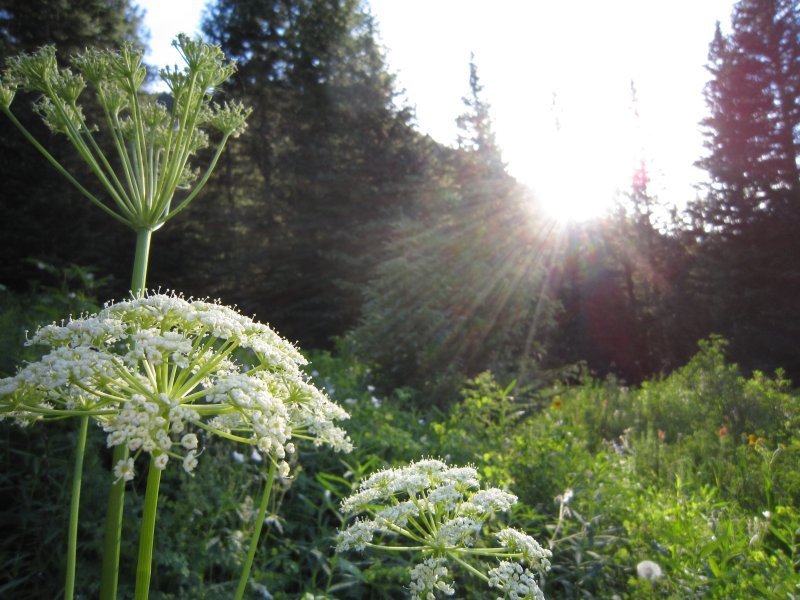
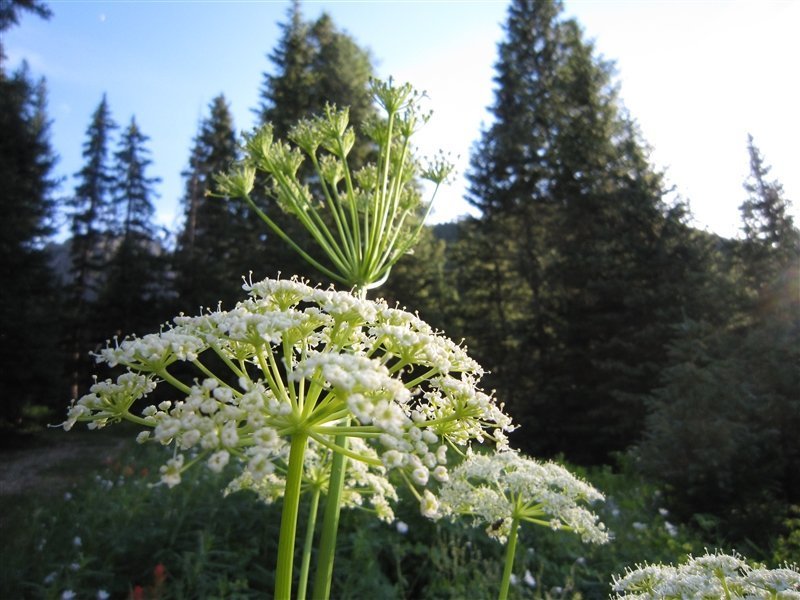
Osha (Ligusticum porteri). A high-country member of the carrot family with white flower umbels and finely divided foliage. Long used medicinally, and easily confused with dangerously toxic relatives in the same family.
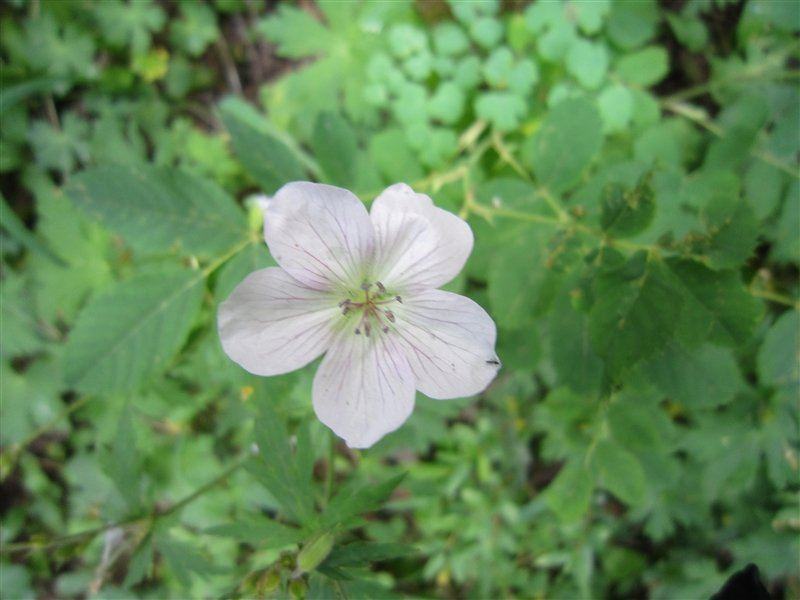
Richardson’s geranium (Geranium richardsonii). A pale mountain geranium found in moist meadows, aspen groves and forest openings.
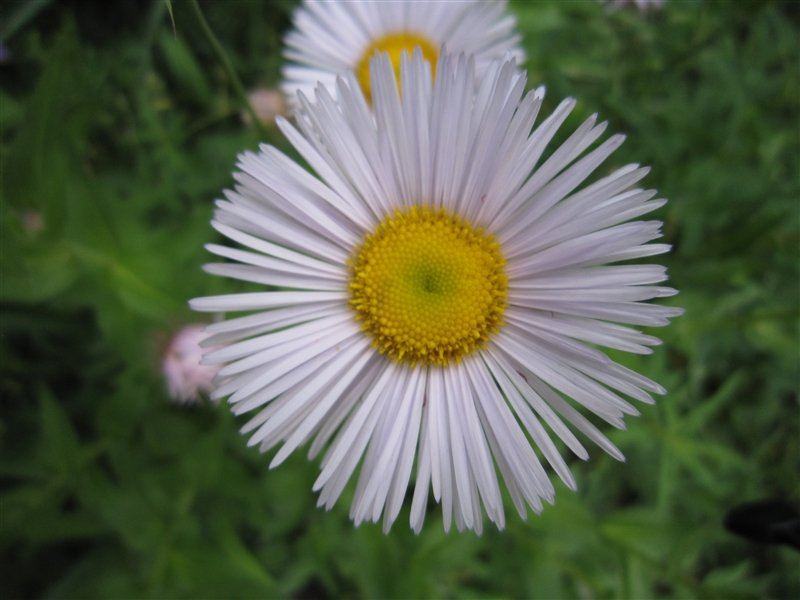
Showy fleabane (Erigeron speciosus). A daisy-like mountain wildflower with numerous narrow lavender rays surrounding a yellow center.
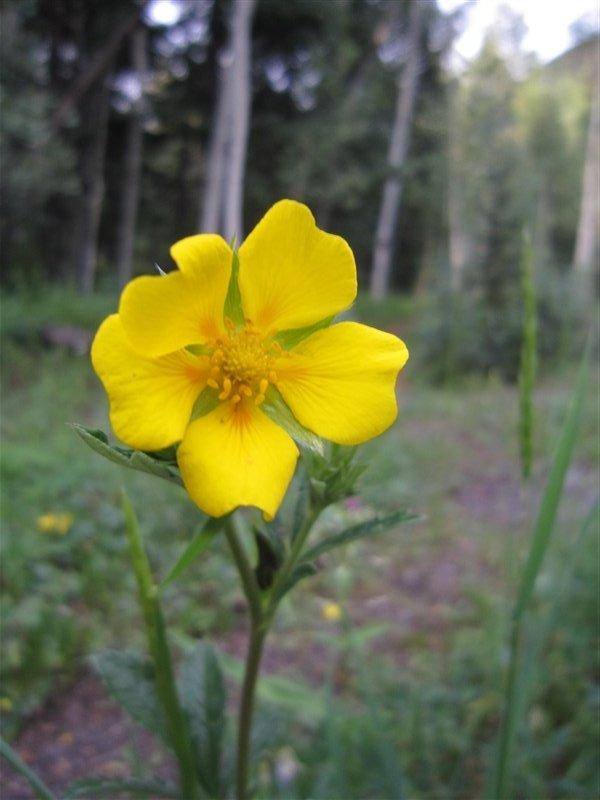
Graceful cinquefoil (Potentilla gracilis). A yellow five-petaled wildflower found in mountain meadows and open slopes.
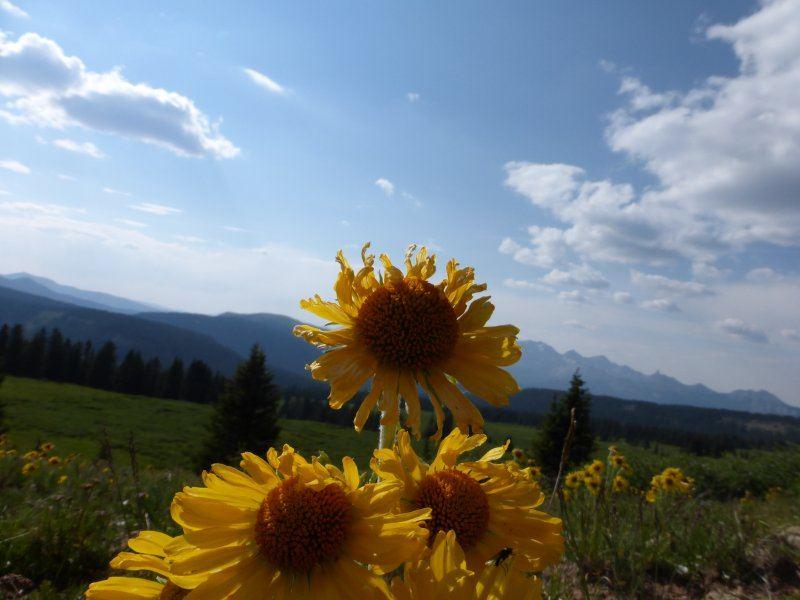
Orange sneezeweed (Hymenoxys hoopesii). Ragged yellow-orange rays on a tall stem, photographed in a high mountain meadow with long views across the San Juan Mountains.
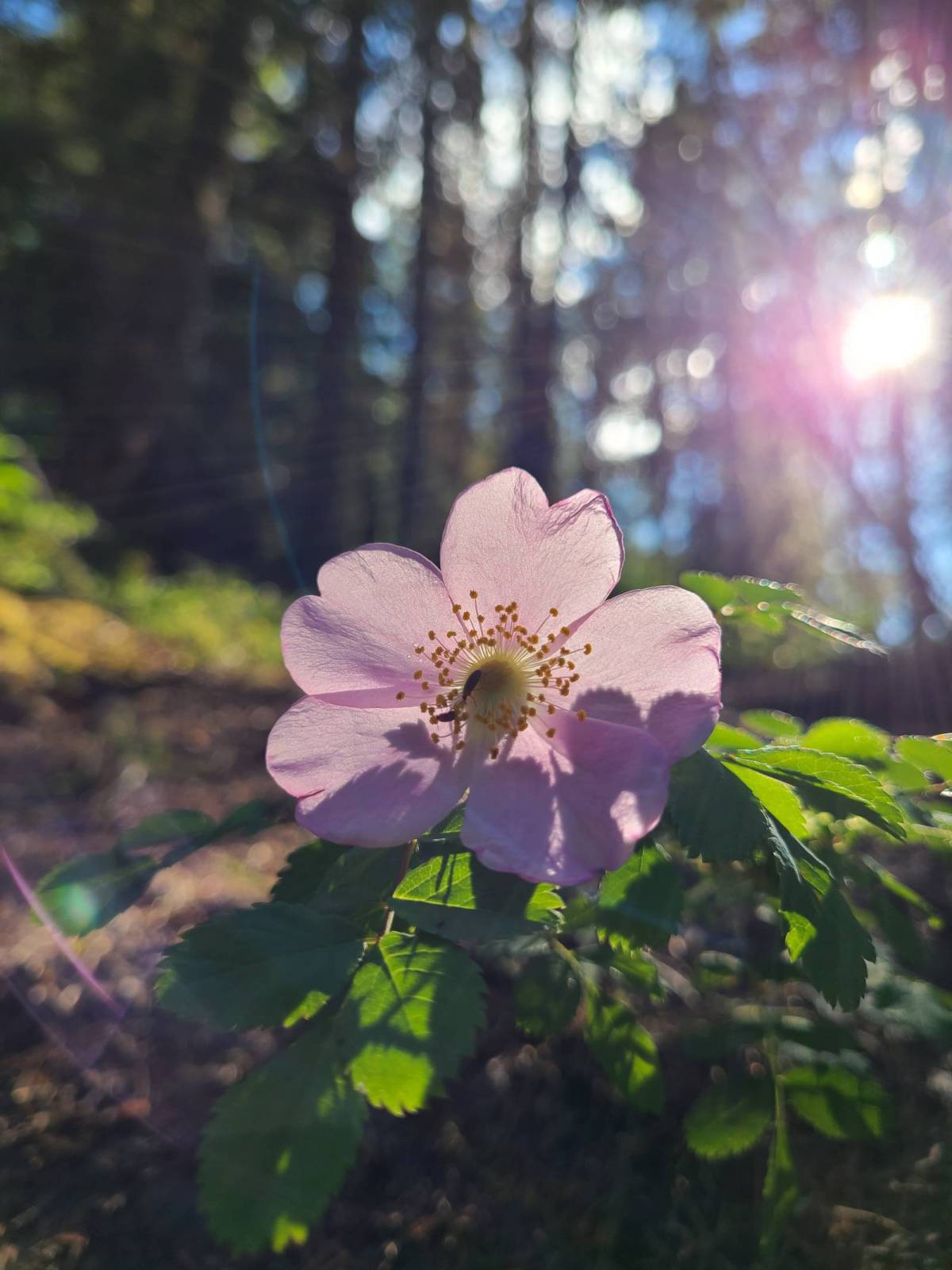
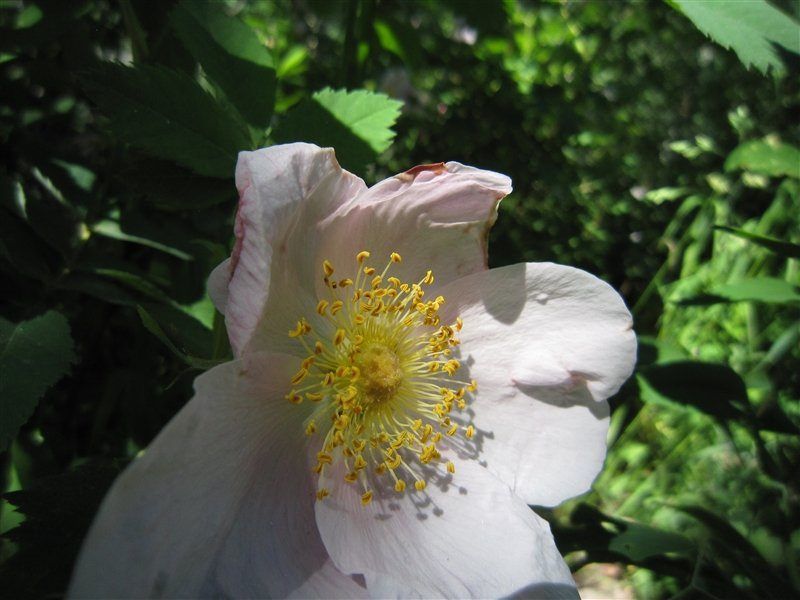
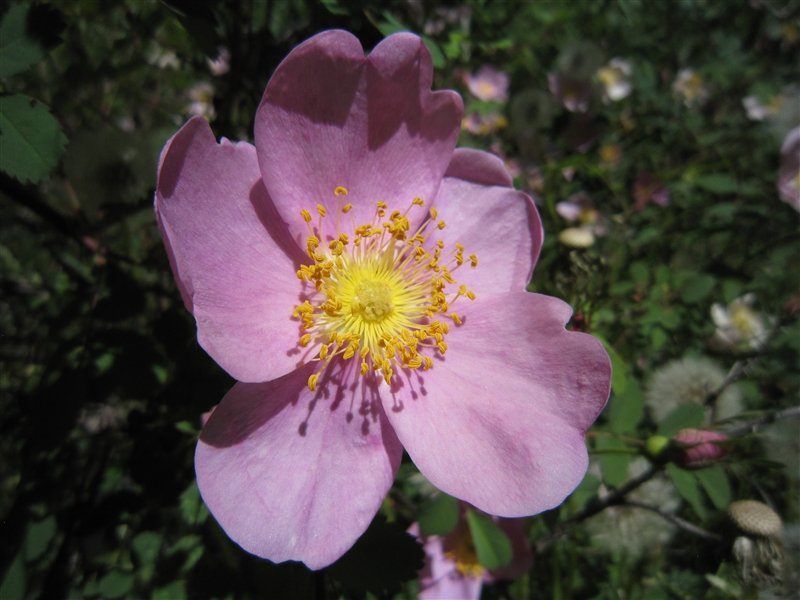
Woods’ rose (Rosa woodsii). A native flowering shrub with five pink petals and a prominent center of yellow stamens.
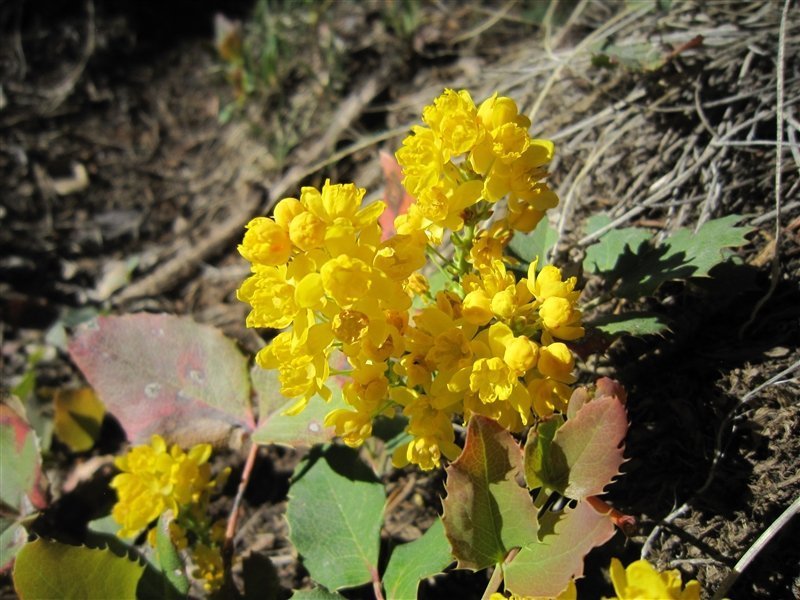
Creeping Oregon grape (Mahonia repens). A low-growing native shrub with holly-like foliage and clusters of bright yellow flowers.
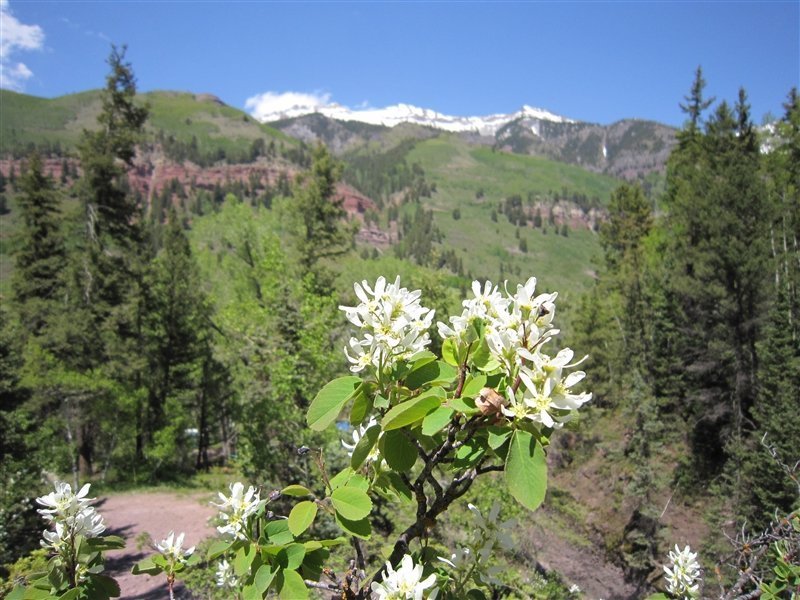
Serviceberry (Amelanchier alnifolia). A native mountain shrub producing clusters of white flowers before developing its dark edible berries.
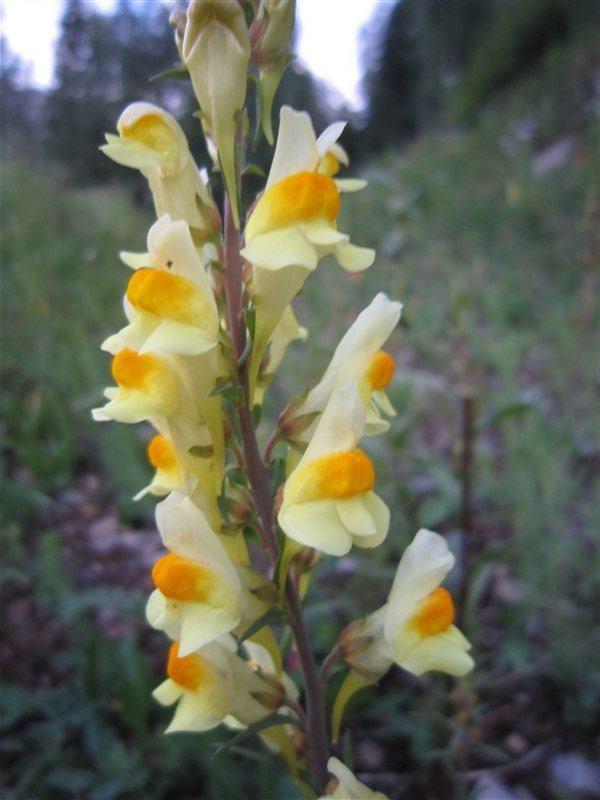
Yellow toadflax (Linaria vulgaris). Also called butter-and-eggs. An introduced species and a listed noxious weed in Colorado, included here because it has become a common sight in the region.
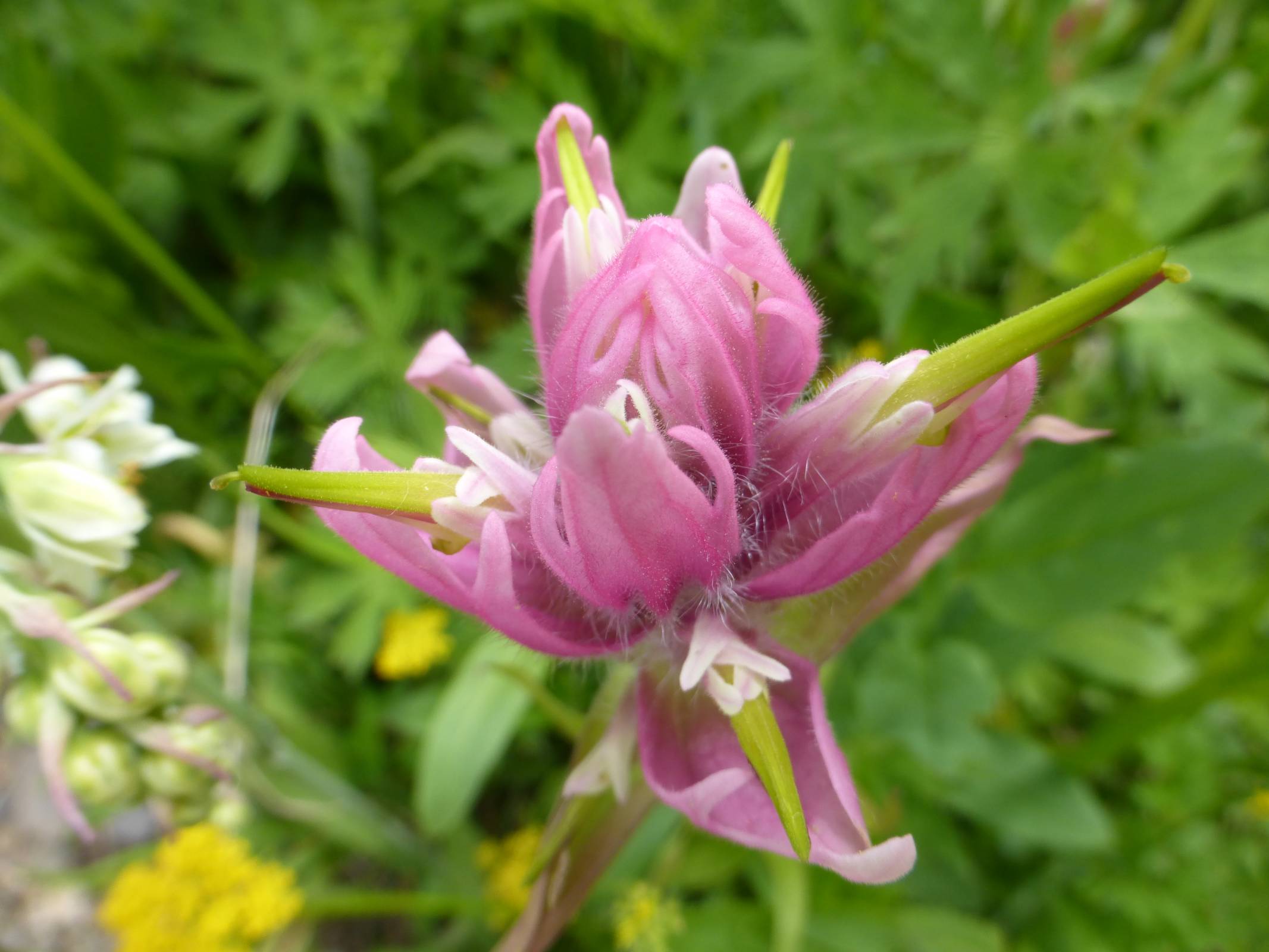
Rosy paintbrush (Castilleja rhexiifolia). A rose-pink high-country paintbrush whose colorful structures are primarily bracts surrounding the much less conspicuous flowers.
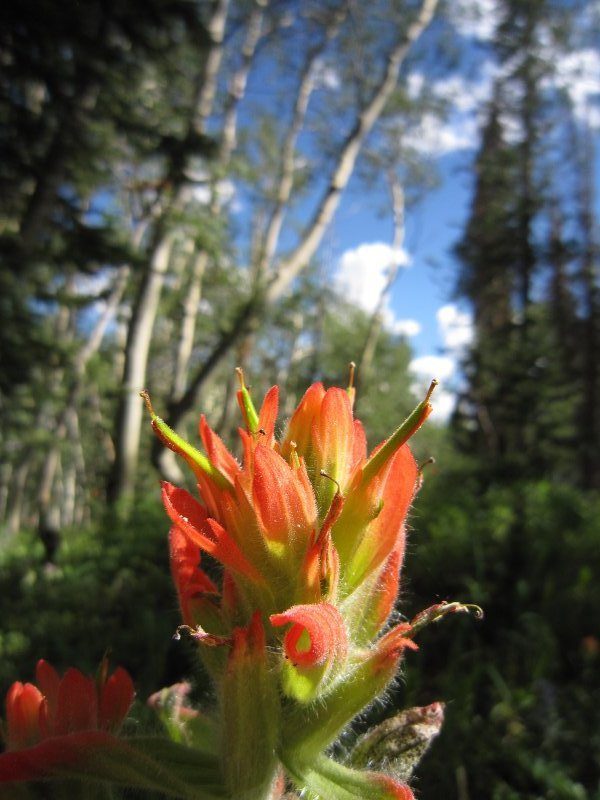
Indian paintbrush (Castilleja). Red-orange paintbrush growing along forest edges and mountain meadows in the San Juan Mountains.
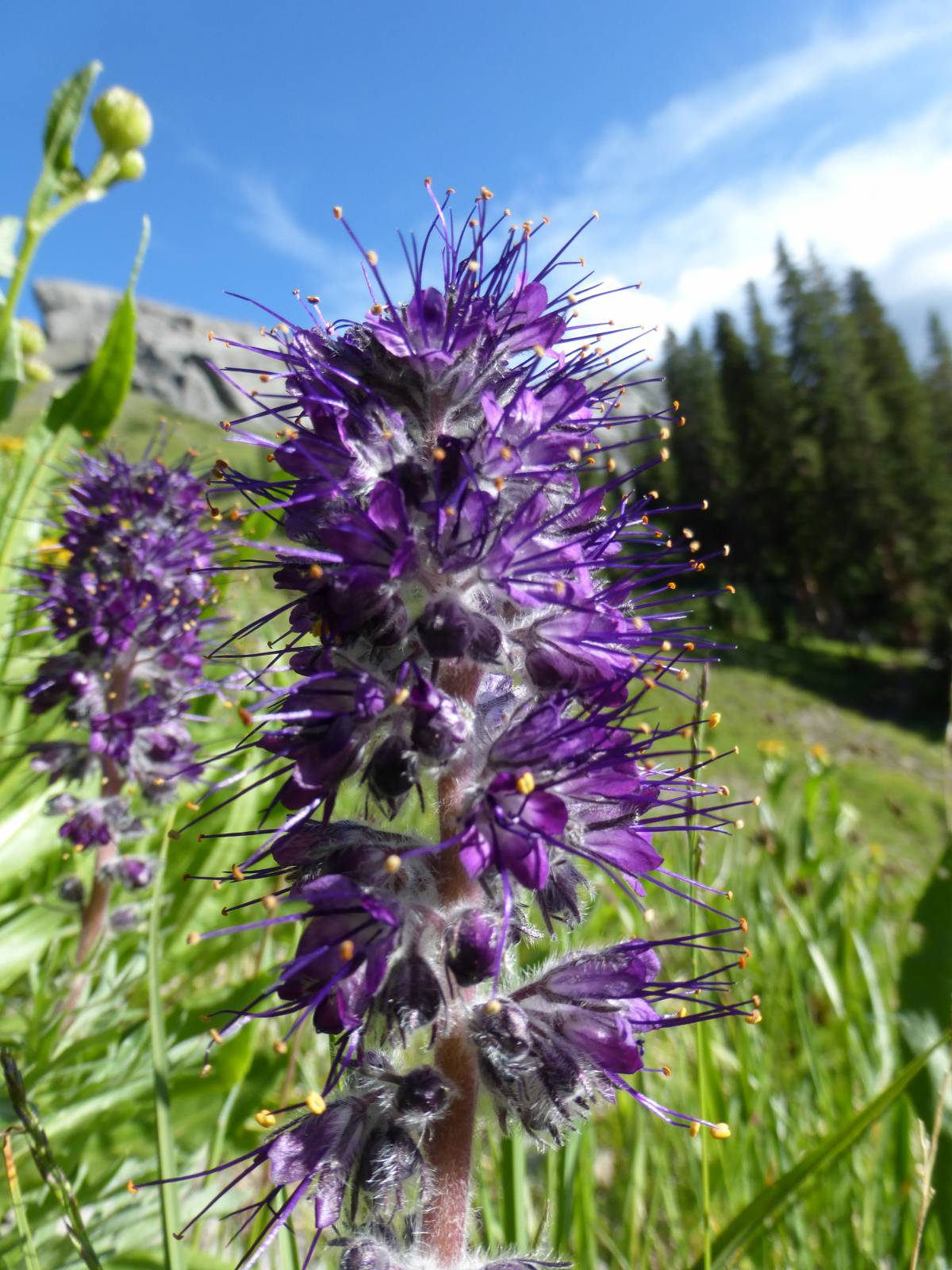
Silky phacelia (Phacelia sericea). A striking high-elevation plant with dense purple flowers and conspicuously projecting stamens, photographed near Ophir.
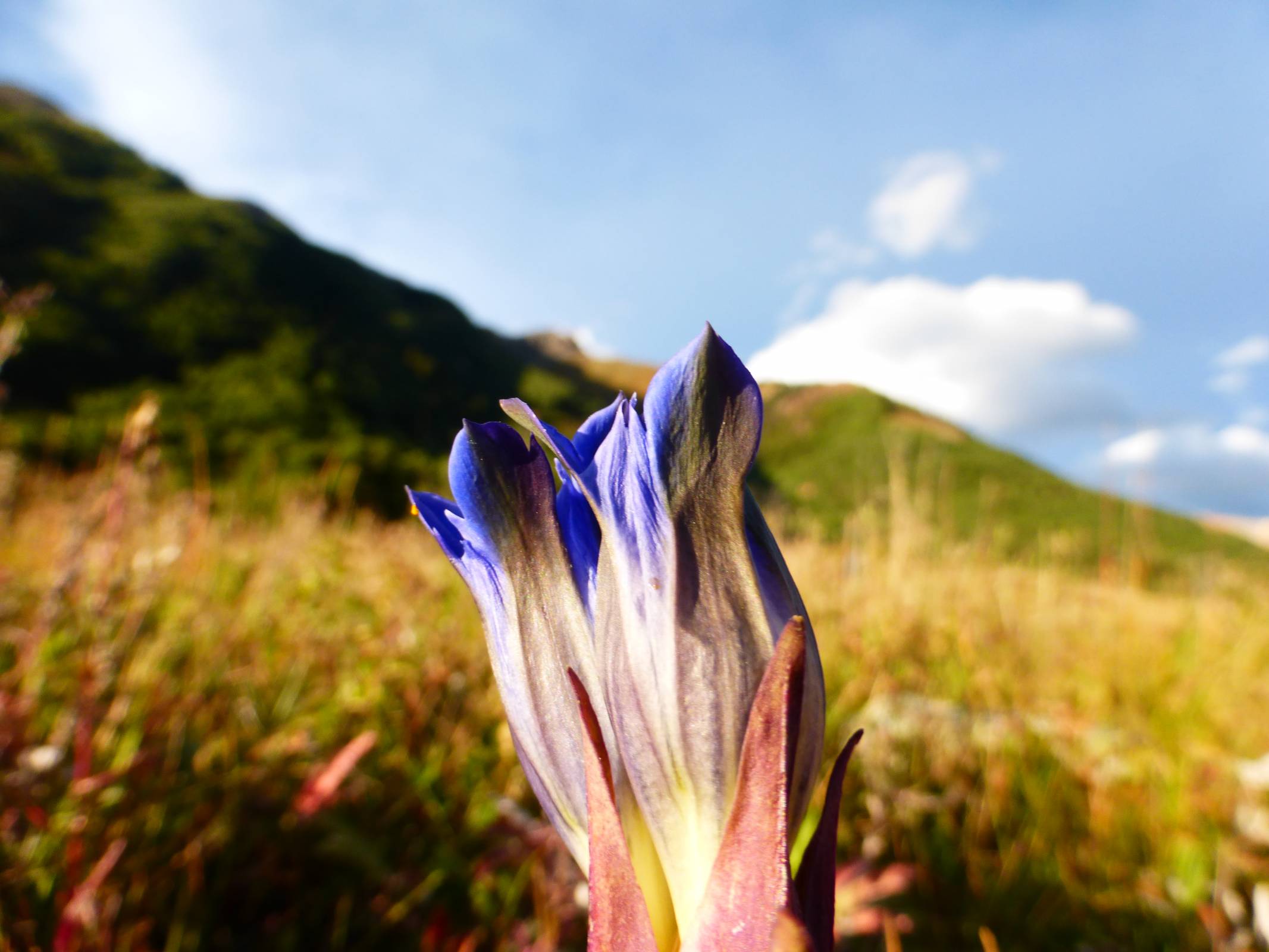
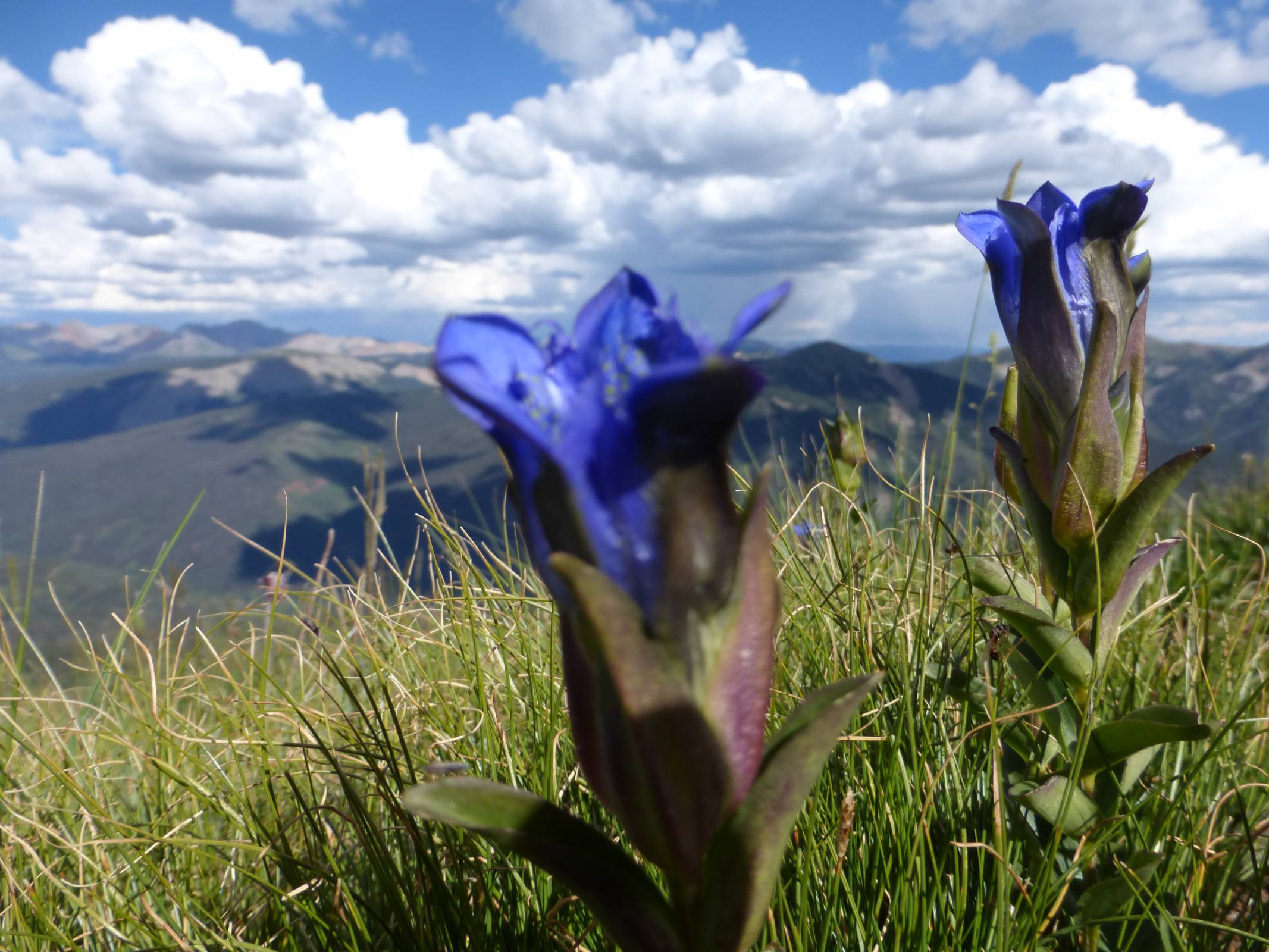
Parry’s gentian (Gentiana parryi). Deep cobalt-blue, pleated gentian flowers found in high-elevation meadows of the San Juan Mountains.
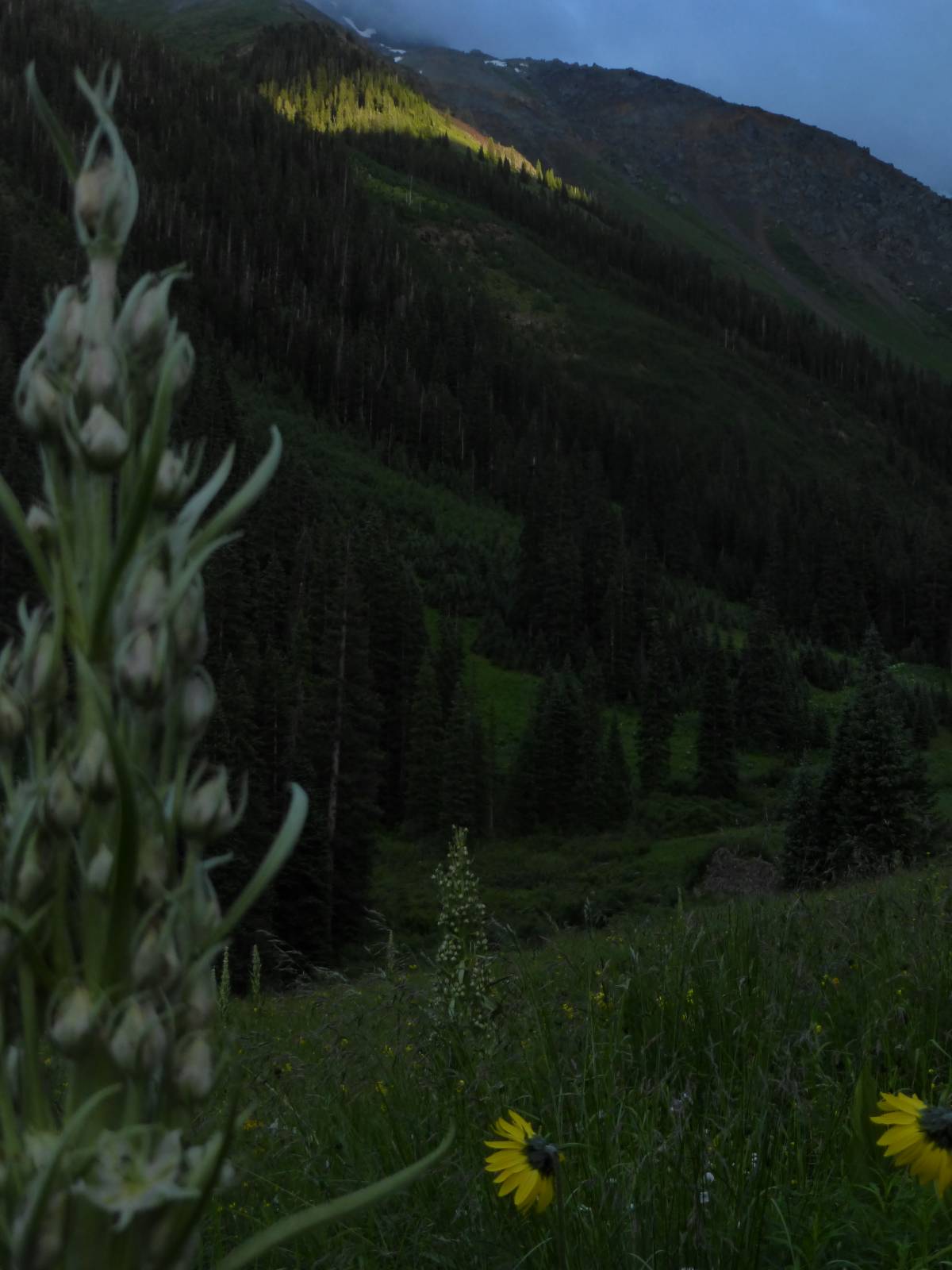
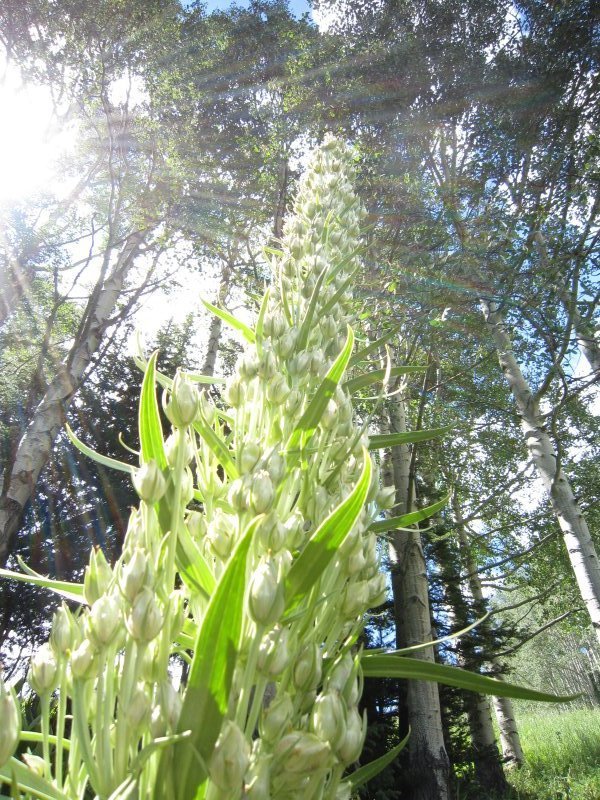
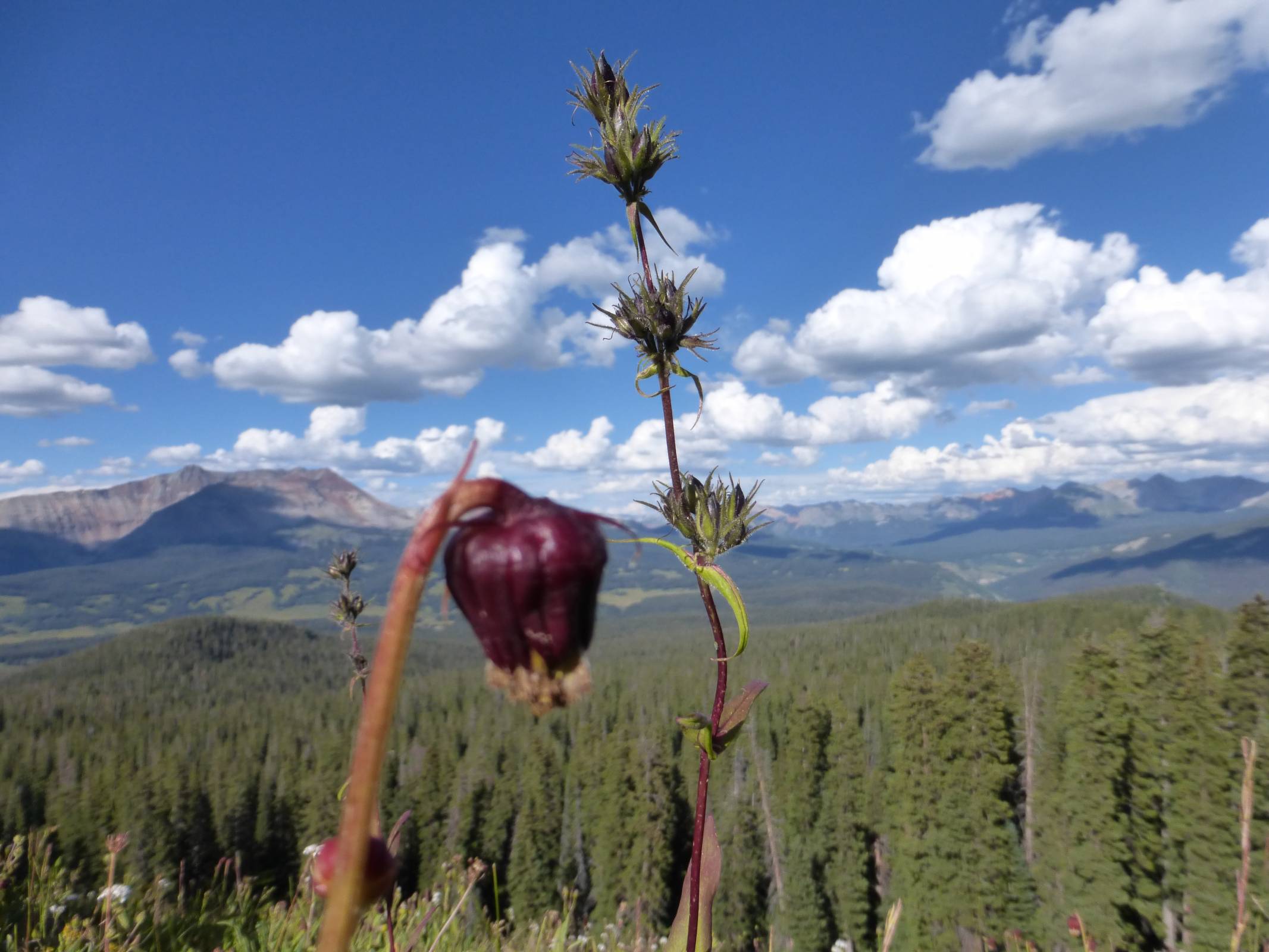
Green gentian, or monument plant (Frasera speciosa). A towering member of the gentian family, shown here in its developing bud stage. Individual plants grow for decades as a low rosette, then flower once and die, with whole populations flowering together in the same year.
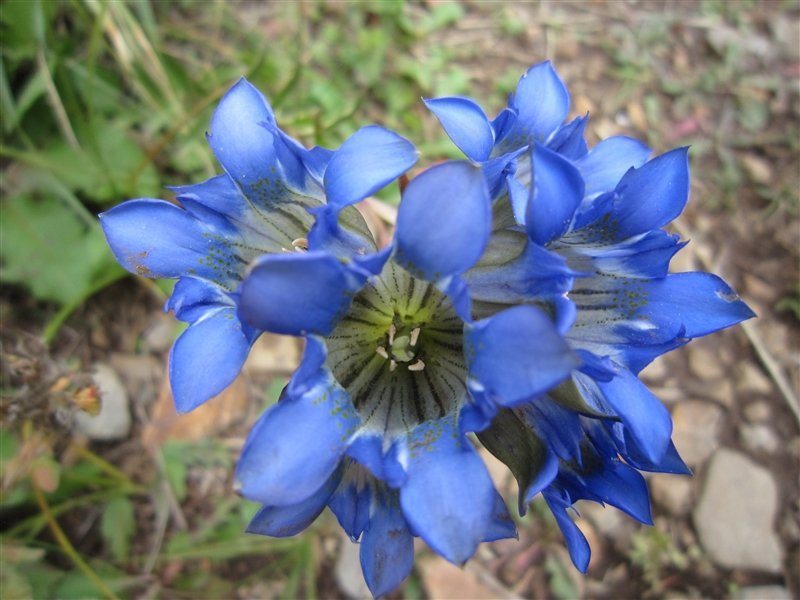
Fringed gentian (Gentianopsis). A late-season blue-purple gentian whose four petals can spiral together when the flower closes.
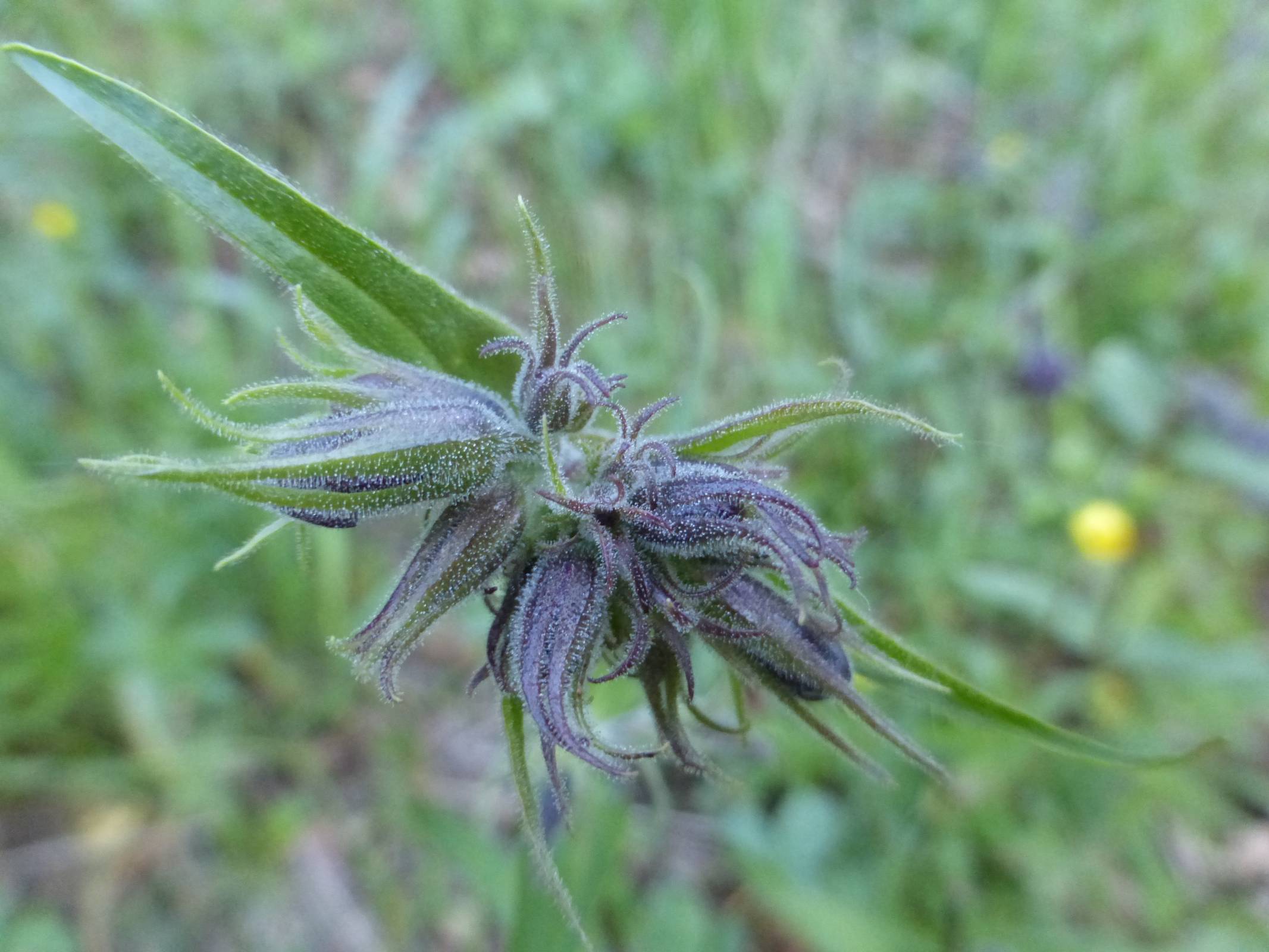
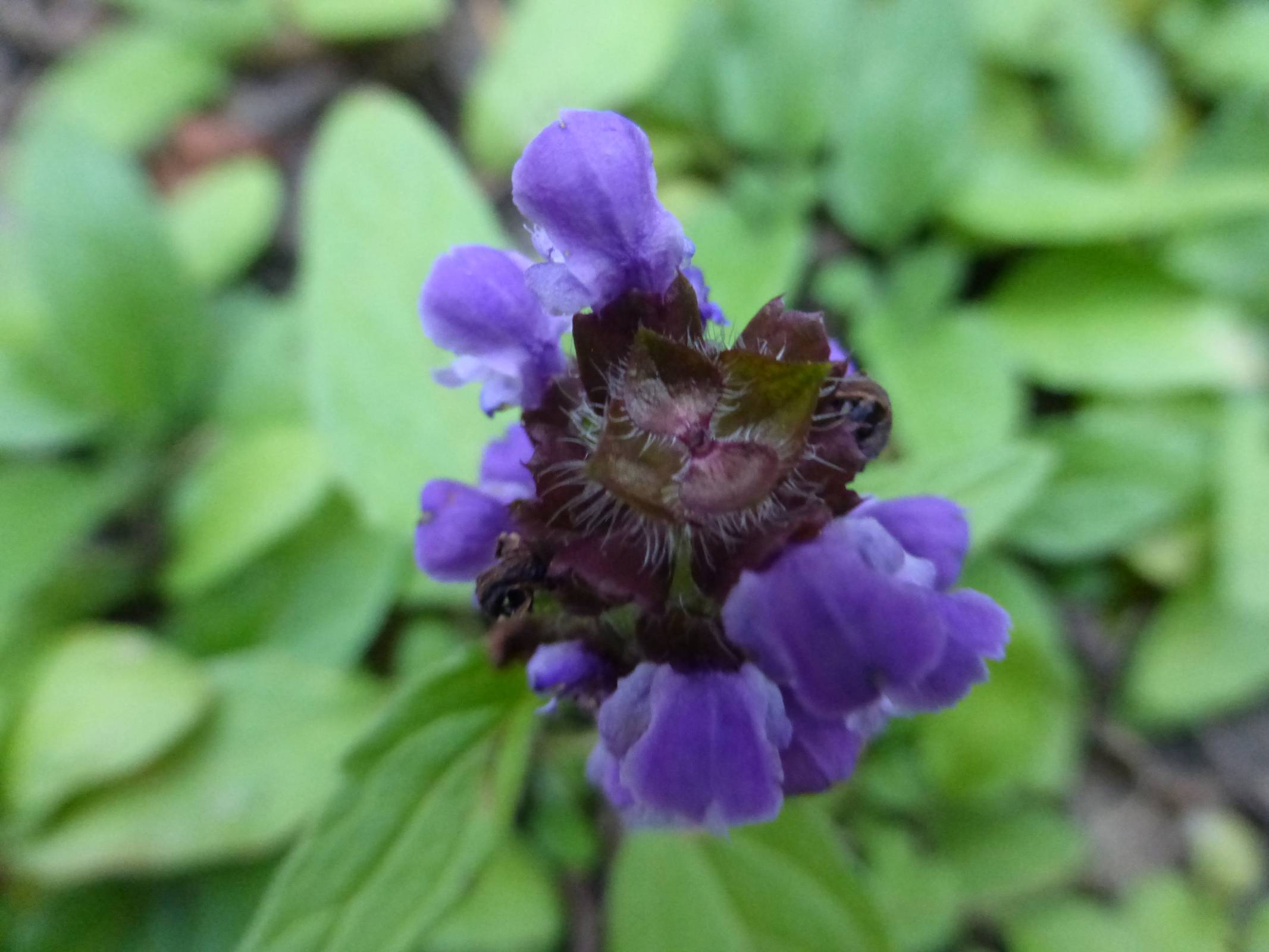
Self-heal (Prunella vulgaris). Also called heal-all, a low-growing plant with compact purple flower heads.
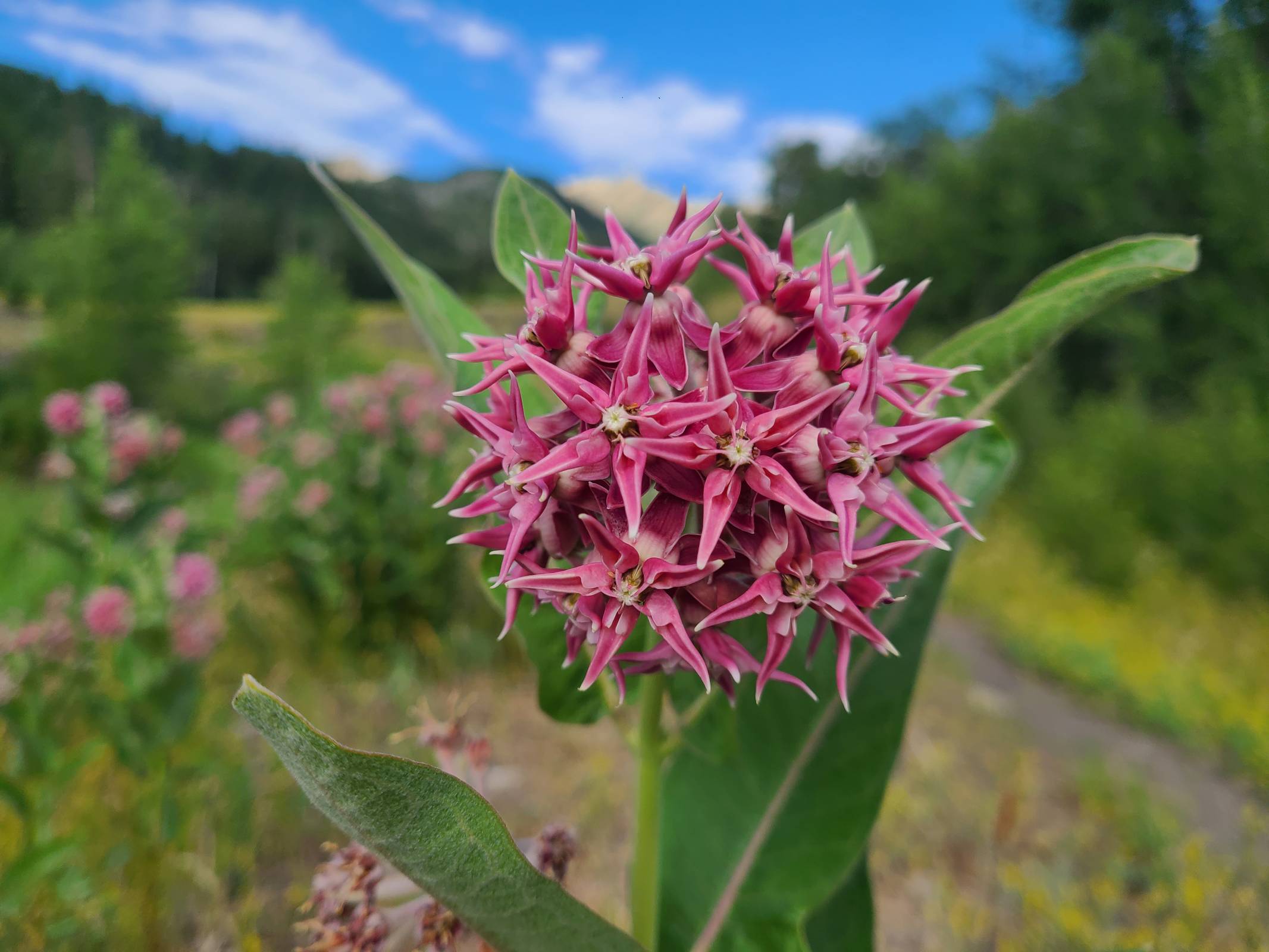
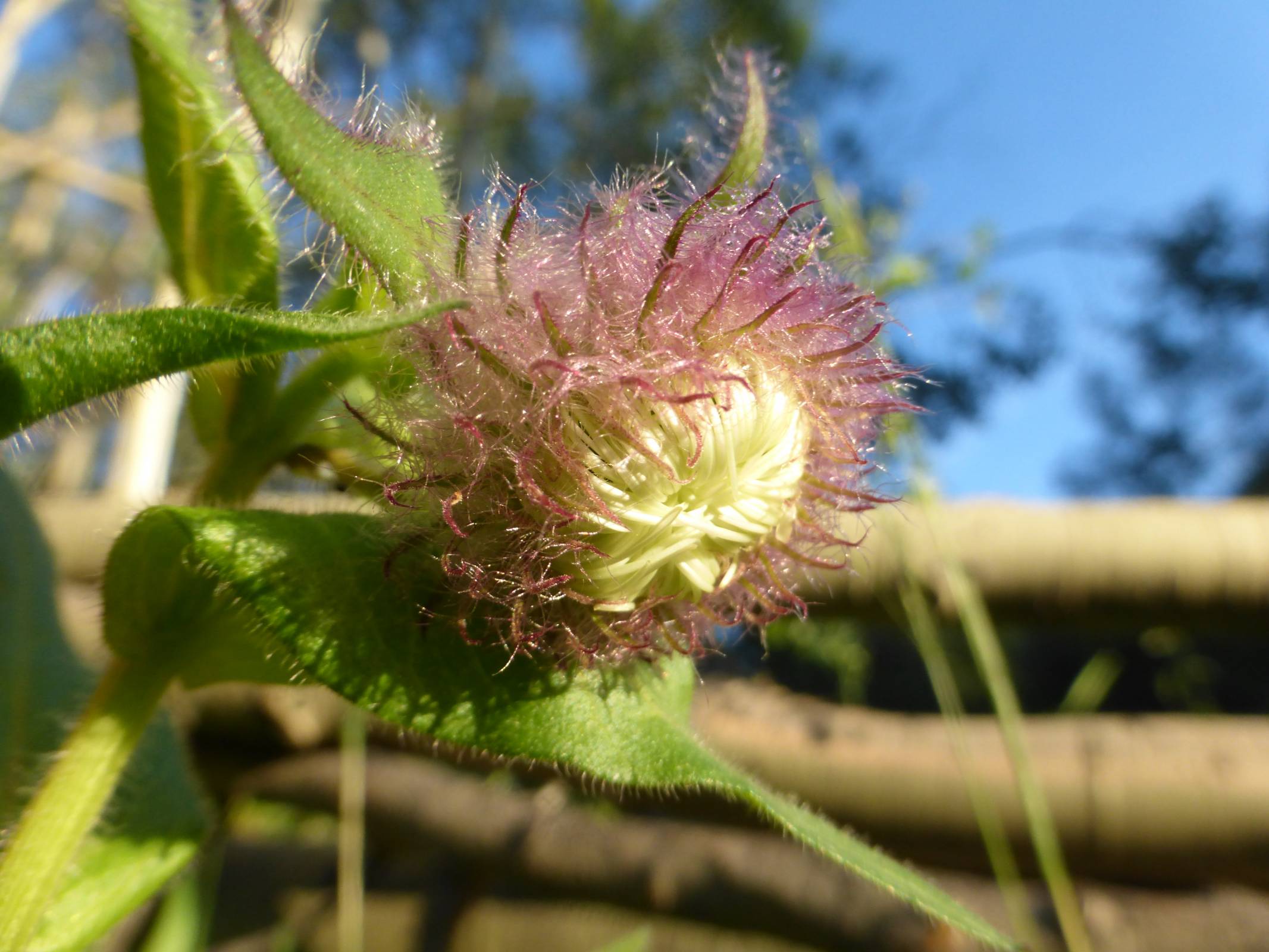
Showy milkweed (Asclepias speciosa). A native western milkweed with large rounded clusters of intricate pink flowers and broad leaves. It often forms colonies and is an important host plant for monarch butterflies.